



There’s a certain kind of quiet satisfaction that comes from walking into a warm home on a bitterly cold evening. Not the dry, stuffy heat that makes you reach for lip balm every five minutes. Not the uneven warmth where one room feels tropical and the next feels like a garage in January. I mean the kind of steady, comfortable warmth that just… works. You stop thinking about it. And honestly, that’s the point.
A lot of homeowners don’t think much about their heating system until it starts misbehaving. A strange clunk. A spike in the energy bill. Cold spots in the hallway. It’s usually then — when comfort slips — that we realize how much we rely on it. Heating isn’t glamorous, but it’s deeply personal. It shapes how we sleep, how we relax, how we gather with family on winter nights.
The truth is, great heating starts long before you ever touch the thermostat.
Why Installation Matters More Than You Think
It’s tempting to focus on the brand of heater, the size, or the price tag. Those matter, sure. But even the most advanced system won’t perform well if it’s poorly installed. I’ve seen high-efficiency units underperform simply because ductwork wasn’t sealed properly or airflow calculations were rushed.
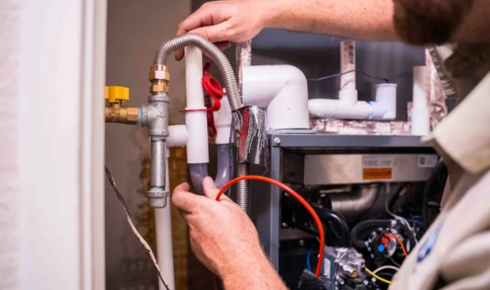
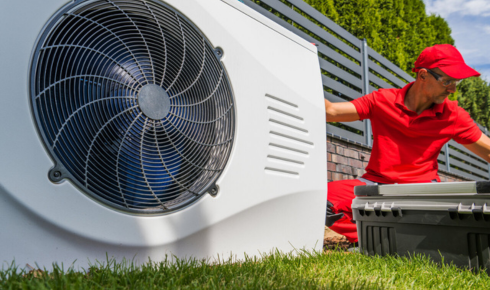
A proper professional heater install isn’t just about hooking up equipment. It involves assessing your home’s layout, insulation levels, window placement, and even how your family uses each space. Do you work from home? Is the basement finished? Are there high ceilings that trap rising heat? All of these details influence how the system should be configured.
When installation is handled with care, you get consistent airflow, balanced temperatures, and fewer breakdowns over time. When it’s rushed or cut corners? You might end up paying for it in repairs, inefficiency, and frustration.
It’s a bit like buying a great pair of shoes. They need to fit properly. Otherwise, you’ll feel it with every step.
The Subtle Science of Comfort
Heating isn’t just about making air hot. It’s about distribution, humidity balance, and timing. That’s where overall heating performance comes into play. A well-performing system doesn’t cycle on and off constantly. It doesn’t blast heat unevenly. It runs smoothly, maintaining comfort without drawing attention to itself.
Performance depends on several things working together:
- Proper sizing (bigger isn’t always better)
- Sealed and insulated ductwork
- Smart thermostat calibration
- Regular maintenance
Oversized systems are actually one of the most common issues. They heat quickly, then shut off, then restart — over and over. That constant cycling wears components down and creates temperature swings. On the other hand, undersized systems struggle endlessly, burning more energy just to keep up.
The goal is balance. Steady, efficient, reliable warmth.
Choosing the Right Residential Heating Approach
Every home is different. A century-old brick house has different heating needs than a newly built energy-efficient property. That’s why cookie-cutter fixes rarely deliver long-term results.
When exploring residential heating solutions, it helps to look beyond the obvious. Yes, furnaces are common. But heat pumps, hybrid systems, and radiant floor heating are increasingly popular — especially for homeowners looking to improve energy efficiency.
Here’s what often influences the right choice:
- Local climate patterns
- Energy costs in your area
- Home insulation quality
- Long-term operating expenses
Heat pumps, for example, are incredibly efficient in moderate climates and can both heat and cool your home. Radiant floor systems provide even warmth without blowing air at all — which some people find more comfortable and quieter. Traditional furnaces remain dependable and cost-effective in colder regions.
The best option isn’t always the most expensive or the newest. It’s the one that aligns with your home’s structure and your family’s daily habits.
Energy Bills and Long-Term Savings
Let’s talk about money for a minute.
Heating typically accounts for a significant portion of household energy use during winter months. A poorly installed or aging system can quietly drive those costs higher year after year. Even small inefficiencies — minor air leaks, clogged filters, misaligned burners — add up.
Upgrading or optimizing your heating system can reduce energy waste noticeably. Modern systems are designed to meet stricter efficiency standards, meaning they convert more fuel into usable heat. Pair that with proper installation and routine maintenance, and you may see measurable savings.
It’s not just about monthly bills either. Well-installed systems tend to last longer. That means fewer emergency repairs and a delayed replacement timeline. In the long run, thoughtful decisions now often protect your budget later.
Maintenance: The Quiet Hero
Even the best system won’t stay efficient forever without attention. Heating systems, like cars, need occasional check-ups.
Annual inspections can identify worn components, airflow blockages, or safety concerns before they escalate. A simple filter replacement can improve airflow significantly. Cleaning burners and checking connections helps maintain steady operation.
It’s easy to overlook maintenance when everything seems fine. But preventative care often costs far less than emergency service calls during the coldest week of the year.
And let’s be honest — heating emergencies never happen at convenient times.
Comfort Is Personal
Some people like it cozy and warm. Others prefer a cooler home with a thick sweater. That’s the human side of heating — it’s about preference as much as technology.
Smart thermostats now allow zoning and scheduling, giving families more control over how heat is distributed. Bedrooms can stay cooler at night while living areas remain warm in the evening. That level of customization makes a noticeable difference in comfort and efficiency.
It’s not about blasting heat. It’s about shaping your environment to match your life.
When to Consider an Upgrade
If your system is over 15 years old, requires frequent repairs, or struggles to maintain temperature, it may be time to evaluate options. Rising energy bills without obvious cause can also signal declining efficiency.
Upgrading doesn’t always mean replacing everything. Sometimes duct sealing, insulation improvements, or thermostat upgrades make a meaningful difference. Other times, full replacement is the more practical path.
What matters most is informed decision-making. Ask questions. Understand your home’s needs. Work with professionals who assess, rather than simply sell.
Final Thoughts: Warmth Without Worry
A reliable heating system doesn’t demand attention. It supports daily life quietly — during movie nights, early mornings, and holiday gatherings. When it works properly, you barely notice it. And that’s a good thing.
Investing in proper installation, prioritizing performance, and selecting heating solutions that match your home can transform winter from something you endure into something you simply live through comfortably.
In the end, warmth isn’t just about temperature. It’s about ease. Peace of mind. That feeling of stepping inside, closing the door, and knowing the comfort will be there waiting for you.