




You don’t always see water problems. Sometimes you feel them.
It’s the dryness after a shower. The faint chemical smell when you run a bath. The grit at the bottom of a glass if you let it sit too long. Nothing dramatic. Just enough to make you wonder what’s really flowing through your pipes.
That’s usually when people start looking beyond faucet filters and countertop pitchers. They begin thinking bigger — about the water that touches everything in the home, not just what they drink.
And that’s where whole house water filtration enters the conversation.
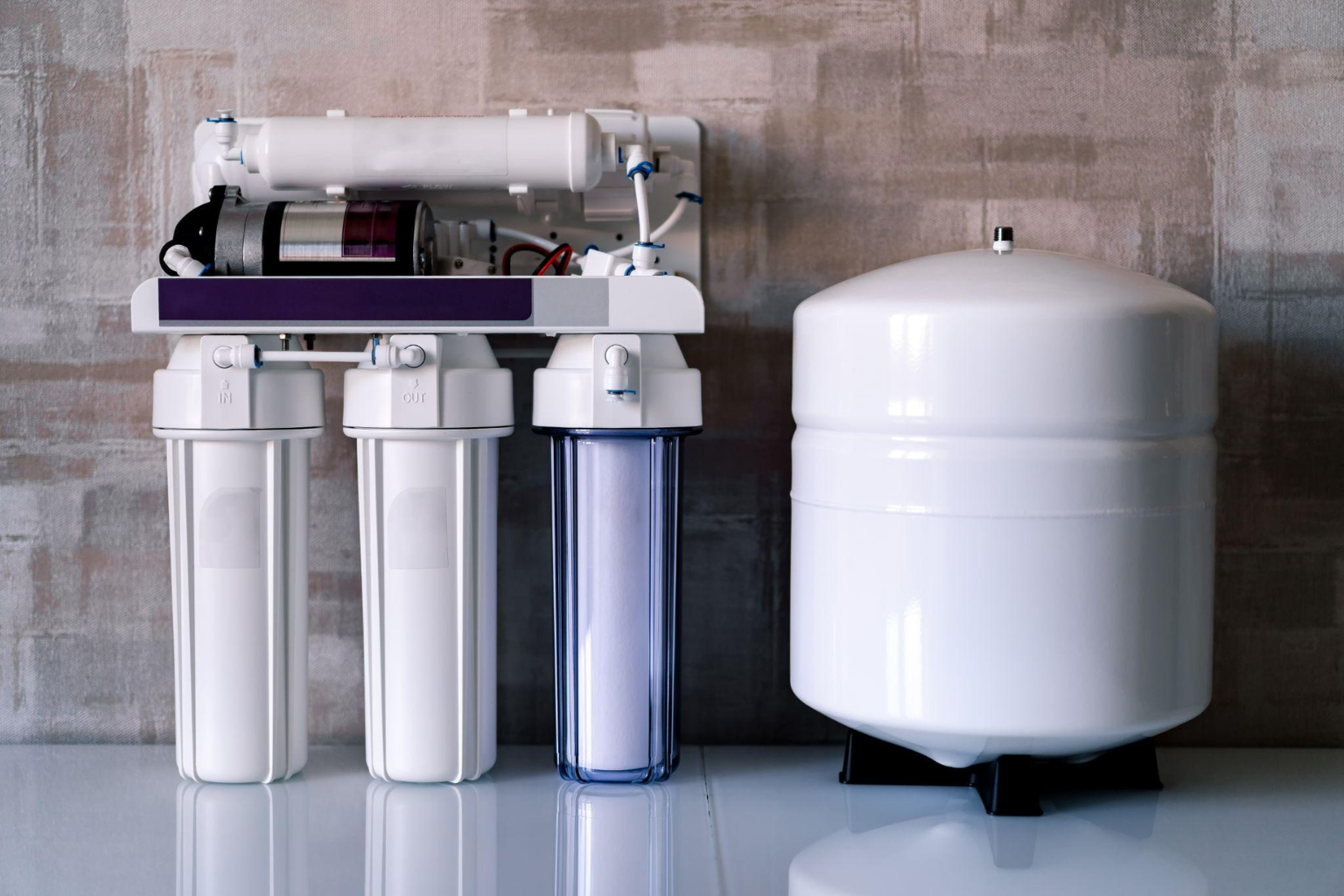
It’s not flashy. It doesn’t sit on your counter or hum loudly in the corner. It quietly works at the point where water enters your home, treating it before it reaches your showers, sinks, laundry room, or kitchen.
It’s the kind of upgrade you stop noticing once it’s there — which is actually the point.
What Changes When You Filter at the Source
Most homes receive water that’s already treated. Municipal systems disinfect water to make it safe during distribution. Well systems draw water directly from underground sources.
But by the time that water arrives at your tap, it may still carry chlorine, sediment, or trace impurities that affect how it feels and smells.
Filtering water at the entry point means you’re addressing those issues before they travel through every pipe in your house.
Showers feel cleaner. Laundry smells more neutral. Kitchen water tastes lighter. Even the water used to rinse produce or fill a pet bowl feels more intentional.
It’s not about panic. It’s about preference — and long-term comfort.
The Chlorine Question
If you’ve ever turned on your faucet and caught that faint swimming pool scent, you’ve experienced residual chlorine.
Chlorine plays a necessary role in public water safety. It kills bacteria and protects water as it moves through miles of infrastructure. But once it reaches your home, that sharp smell isn’t always welcome.
This is where systems designed for chlorine reduction make a noticeable difference.
Activated carbon filters are particularly effective at absorbing chlorine and improving water’s overall feel. You may notice softer showers, fewer lingering chemical odors, and even less dryness on your skin.
It’s subtle, but for many homeowners, it’s the first improvement they comment on.
The Sediment You Can’t Always See
Water isn’t always crystal clear under the microscope. Depending on your region, it may carry sand, rust particles, or fine debris.
Even if it looks clean in a glass, microscopic sediment can slowly accumulate inside plumbing fixtures, water heaters, and appliances.
That’s why sediment filtration is often the first stage in a whole-house system. It acts as a protective barrier, capturing particles before they circulate throughout the home.
For well water users, this can be especially important. Groundwater can shift with seasonal changes, bringing fine particulates along with it.
By addressing sediment at the entry point, you’re not only improving water clarity — you’re protecting pipes and appliances from unnecessary wear.
It’s About More Than Drinking Water
Point-of-use filters, like under-sink systems, focus on what you consume. They’re excellent for drinking and cooking.
But think about how much water you don’t drink.
You bathe in it. Wash your hands with it. Run it through your dishwasher and washing machine. Fill your humidifier or coffee maker.
Whole-home filtration considers all of it.
Your skin may feel less irritated. Towels may come out of the wash smelling fresher. Fixtures may develop less buildup over time.
When every faucet delivers treated water, the experience becomes consistent across the house.
The Maintenance Reality
No filtration system runs forever without attention.
Whole-house systems require filter replacements, typically every few months to a year, depending on water quality and usage. The good news? Maintenance schedules are predictable.
Once you understand your water conditions and filter lifespan, upkeep becomes part of normal home care — like changing HVAC filters or scheduling seasonal inspections.
It’s not demanding. Just deliberate.
Is It Worth the Investment?
That depends on what you’re dealing with.
If your water already tastes and smells perfect, and testing reveals minimal sediment or chlorine, you might not feel urgency. But if you’ve noticed recurring issues — dryness, odor, cloudiness — addressing them at the source can feel transformative.
Testing is the smartest first step. A simple water analysis reveals what’s actually present, eliminating guesswork.
Once you know what you’re treating, choosing the right system becomes straightforward.
The Emotional Comfort of Cleaner Water
There’s something reassuring about knowing your water is treated before it reaches every corner of your home.
You’re not just reacting to problems at one faucet. You’re proactively shaping the quality of water that flows through your daily life.
It’s not a dramatic renovation. It doesn’t change how your house looks.
But it changes how it feels.
When showers are free of chemical scent, when laundry smells neutral without extra additives, when kitchen water feels lighter — those small improvements add up.
And over time, they become your new normal.
Final Thoughts
Water is easy to overlook because it’s constant. It’s there when you wake up, when you cook dinner, when you wash your hands before bed.
But when its quality improves, you notice — even if only in quiet ways.
Whole-house filtration isn’t about fear. It’s about refinement. It’s about reducing chlorine, capturing sediment, and delivering consistent water throughout your home.