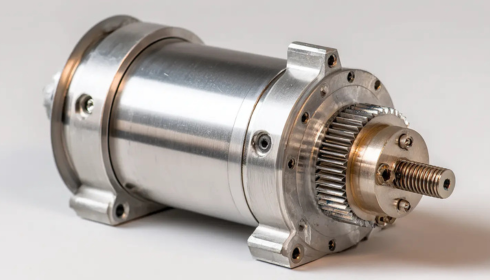
In the world of automation and compact machinery, power alone isn’t enough. What really matters is controlled motion, smooth torque, and long-term reliability. That’s exactly where a dc gear motor proves its value. From robotics and conveyor systems to vending machines and automotive applications, these motors continue to be one of the most practical solutions for efficient movement.
A lot of industries prefer DC geared systems because they combine speed control with torque multiplication in a compact unit. Instead of using separate motor and gearbox assemblies, manufacturers often choose integrated designs that reduce space, simplify installation, and improve overall efficiency.
Understanding How a DC Gear Motor Works
At its core, a gear motor combines two major components — a DC motor and a reduction gearbox. The motor generates rotational movement, while the gearbox slows the speed and increases torque. This balance makes the motor ideal for applications where controlled force is more important than extremely high RPM.
For example, a standard DC motor may spin very fast but struggle under heavy load. Once connected to a gearbox, the output becomes slower yet significantly stronger. That’s why gear motors are commonly used in lifting equipment, automatic doors, electric tools, and small industrial machines.
Another reason these motors are so popular is their ability to operate on battery-powered systems. Many portable machines and robotic projects rely on low-voltage DC gear motors because they are energy-efficient and easy to control.
Why Industries Prefer Geared Motors
One major advantage of a geared dc motor is precision. In industries where movement must be controlled accurately, direct high-speed rotation is rarely useful. Gear reduction allows machines to perform stable and repeatable actions without sudden jerks or excessive wear.
Here are a few areas where geared motors are commonly used:
- Robotics and automation
- Medical devices
- Packaging machines
- Automotive systems
- Home appliances
- Agricultural equipment
- Security and surveillance systems
These motors are available in multiple gear ratios, torque capacities, and voltage options. Because of this flexibility, engineers can choose a setup that matches exact performance requirements.
Compact Design with High Torque Output
One thing that surprises many first-time buyers is how much torque a small gear motor can generate. The gearbox dramatically increases output force, allowing compact motors to handle demanding tasks without consuming massive amounts of power.
This becomes especially important in applications with limited installation space. Machines today are getting smaller, smarter, and more portable. Manufacturers need components that deliver strong performance without increasing machine size. Gear motors fit perfectly into that trend.
Additionally, modern designs often include metal gears, thermal protection, and noise reduction features, making them suitable even for continuous-duty industrial environments.
Choosing the Right Motor for Your Application
Not every gear motor is identical. Selecting the correct model depends on several factors:
Voltage Requirements
Different systems operate on different voltages such as 12V, 24V, or 48V DC. Matching voltage correctly ensures stable performance and longer motor life.
Torque and Speed
Higher torque usually means lower speed. It’s important to determine whether your application needs fast rotation or stronger pulling force.
Gear Ratio
The gear ratio directly affects output speed and torque. A higher ratio provides more torque but slower movement.
Duty Cycle
Some motors are built for intermittent operation, while others are designed for continuous industrial usage. Choosing the wrong type may lead to overheating or premature failure.
Maintenance and Long-Term Reliability
One reason businesses continue using DC gear motors is their relatively simple maintenance. Regular lubrication, proper voltage supply, and avoiding overload conditions can significantly extend operational life.
High-quality motors also reduce downtime. In manufacturing environments, even small equipment failures can impact productivity and increase costs. Reliable motor systems help companies maintain consistent operations without frequent repairs.
It’s also worth noting that brushless DC gear motors are becoming increasingly popular. They offer quieter operation, improved efficiency, and longer lifespan compared to traditional brushed models.
Final Thoughts
As automation continues growing across industries, the demand for efficient motion control solutions keeps increasing. DC gear motors remain a dependable option because they combine compact size, energy efficiency, and strong torque performance in one practical package.