




There’s something oddly reassuring about turning on a faucet and not thinking twice about what’s coming out of it. You fill a glass, rinse produce, step into the shower — and it’s all just… normal.
Until it’s not.
Maybe you notice a faint chlorine smell in the steam when the shower’s hot. Or your white sinks seem to collect tiny specks of grit. Perhaps your skin feels dry no matter how expensive your moisturizer is. These things don’t scream “emergency,” but they linger in the background, quietly annoying.
That’s usually when homeowners start exploring filtration — not because they’re panicking, but because they’re paying attention.
Looking Beyond the Kitchen Sink
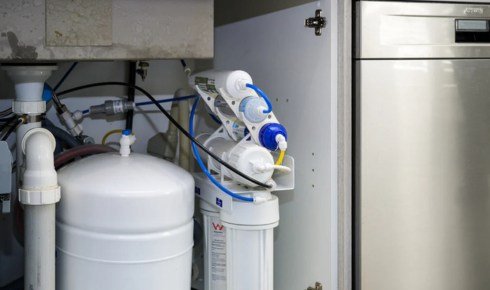
Most people begin with a small solution. A pitcher in the fridge. A filter under the kitchen sink. And those can absolutely help, especially for drinking water.
But water doesn’t just flow in the kitchen. It touches every part of your home. You bathe in it. Your laundry soaks in it. Your dishwasher relies on it. Even the air in your bathroom carries it as steam.
That’s where whole house water filtration enters the conversation. Instead of treating just one faucet, this approach filters water as it enters your home, ensuring consistency from every tap.
The appeal isn’t just convenience — it’s cohesion. Every drop that flows through your pipes receives the same level of attention.
The Chlorine Conversation
Municipal water systems use chlorine for good reason. It disinfects and protects public health. But that doesn’t mean you have to love the taste or smell.
Even trace amounts can alter flavor. Some people notice it immediately; others only detect it once they’ve experienced water without it.
Filtration systems designed for chlorine reduction use activated carbon to absorb chlorine and certain byproducts. The change can be subtle yet significant. Coffee tastes smoother. Ice cubes freeze clearer. Showers feel less harsh on skin.
It’s not about removing safety measures. It’s about refining the final experience once the water reaches your home.
And when the chlorine edge disappears, many people find themselves drinking more tap water naturally — without forcing it.
The Grit You Didn’t Realize Was There
Sediment is another common concern, especially in areas with aging infrastructure or private wells. Tiny particles of sand, rust, or organic matter can make their way through plumbing.
You might see them occasionally in a bathtub. Or feel a slight grit when cleaning fixtures.
Effective sediment filtration captures these particles before they circulate through your home. It’s a straightforward concept: a physical barrier that traps debris.
But the benefits go beyond clarity. Sediment can clog aerators, scratch surfaces, and accumulate in appliances. Removing it early protects both aesthetics and equipment.
Sometimes the smallest particles create the biggest long-term headaches.
What It Feels Like When Water Improves
People rarely describe filtration as life-changing. Instead, they talk about the little shifts.
Glassware looks cleaner. Laundry feels softer. Showers seem more refreshing. There’s less scrubbing required on weekends.
It’s not dramatic. It’s just smoother.
And that smoothness extends to appliances too. Water heaters, washing machines, and dishwashers benefit when they’re not battling constant mineral or sediment intrusion.
Over time, that can mean fewer service calls and longer equipment life.
Is It Always Necessary?
Not every home requires comprehensive filtration. The right choice depends on your water source and quality.
A professional water test is often the most practical first step. It reveals hardness levels, chlorine presence, sediment load, and other variables.
From there, you can decide whether point-of-use filters are sufficient or if a whole-home system makes more sense.
There’s no one-size-fits-all answer — only solutions tailored to your conditions.
Maintenance: The Part No One Talks About
Filtration systems require upkeep. Cartridges need replacement. Tanks may require inspection.
The good news? Most systems are designed with simplicity in mind. Clear service intervals. Easy filter swaps.
Consistency keeps performance steady. Neglect gradually erodes it.
Think of it like changing air filters in your HVAC system. Small effort, steady benefit.
The Environmental Ripple
When tap water tastes and feels right, reliance on bottled water often drops. That’s less plastic waste and fewer grocery runs.
It’s a quiet environmental shift that starts at home.
And for many families, it also means long-term savings.
A Subtle Upgrade With Everyday Impact
Home improvements usually focus on visible transformations — new countertops, fresh paint, updated lighting.
Water filtration isn’t visible. It doesn’t announce itself.
But it shapes your daily routine more than you might expect.
When every tap in your home delivers water that tastes clean, feels comfortable, and leaves fewer traces behind, you notice — even if you can’t immediately explain why.
It’s not about chasing perfection. It’s about reducing friction.
And in a world filled with complicated upgrades and endless options, sometimes the most valuable improvements are the ones that quietly make life easier.