



There’s a strange sort of betrayal when something as essential as water turns out to be the root of your home’s small, stubborn problems. You notice your faucets collecting crusty white rings. Your skin feels oddly dry no matter how much lotion you slather on. Glassware refuses to come out of the dishwasher spotless. These aren’t just daily annoyances—they’re symptoms of a deeper issue lurking in your plumbing: hard water.
Hard water, rich in minerals like calcium and magnesium, might be safe to drink, but it sure can make life feel harder. That’s why more homeowners are finally waking up to the benefits of proper water softener installation—and honestly, it’s about time.
The Mineral Menace: What’s in Your Water?
If your water leaves behind chalky buildup or your soap barely lathers, chances are you’re dealing with hard water. It may not smell funny or look cloudy, but the effects are impossible to miss once you start paying attention. Over time, calcium and magnesium minerals collect in your pipes, heating elements, faucets, and anything else that channels water.
Not only does this buildup slow water flow and reduce the efficiency of appliances, but it also drives up utility bills. Your water heater has to work harder. Your washing machine needs more detergent. And don’t get started on how quickly showerheads get clogged.
So what’s the fix? You need to remove calcium minerals before they get a chance to mess with your plumbing or your peace of mind.
Why Soft Water Feels Like an Upgrade
Soft water doesn’t just flow better—it feels better. Your skin is smoother. Your hair actually behaves after a shower. Clothes come out of the washer soft, not stiff. Even coffee and tea seem to taste cleaner.
But it’s not just about comfort. Soft water helps extend the life of your appliances, from your dishwasher to your water heater. It also makes soaps and detergents more effective, which means you use less product and save money over time.
That’s the beauty of water that works with you, not against you.
The Science of Softening: How Does It Actually Work?
Now, before you imagine some overly complex contraption buzzing in your basement, let’s simplify it. Most systems use a process called ion exchange softener technology. Here’s how it works:
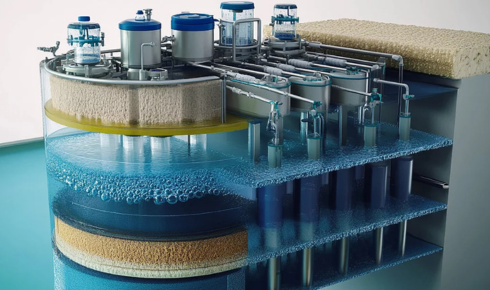
Inside the system, there’s a resin bed filled with tiny beads. As hard water passes through, these beads grab onto the calcium and magnesium ions and replace them with sodium or potassium ions. The result? Water that’s dramatically easier on everything it touches.
It’s not magic, but it sure feels like it when that stubborn faucet buildup suddenly stops happening.
DIY vs Professional Installation: What’s Right for You?
Some homeowners love a good weekend project—and for the technically inclined, installing a water softener might be a rewarding challenge. But if you’re not the wrench-and-blueprint type, hiring a pro is worth it.
Professional installers know how to size the system based on your household usage, test your water to identify exact hardness levels, and make sure plumbing connections are airtight and future-proof. They can also guide you through filter replacement schedules and maintenance routines.
More importantly, pros know the difference between short-term fixes and long-haul performance. If you’re investing in long-term home efficiency and comfort, cutting corners usually backfires.
Common Misconceptions That Hold People Back
Let’s clear the air—er, water—on a few things:
- Soft water isn’t salty. The sodium added during ion exchange is minimal and doesn’t make your water taste like the ocean.
- Water softeners don’t filter contaminants. That’s a job for a separate filtration system. If you want both clean and soft water, you’ll want a combo setup.
- Not all homes have hard water. That’s why testing is key. There’s no need to invest in a system unless your water actually calls for it.
Life After Softening: Real Results You Can Feel
Homeowners who make the switch to soft water often report changes that go beyond the obvious. Laundry smells fresher. Kids stop complaining about itchy skin. That slow drip in the kitchen faucet finally disappears. And no one’s scrubbing mineral rings off the tub anymore.
Sure, it’s not the flashiest home upgrade. You won’t throw a party for your new softener. But over time, you’ll wonder how you ever lived without it.
Getting Started the Smart Way
You don’t need to overhaul your entire plumbing system to enjoy better water. Start by testing what you’ve got. Many local hardware stores offer kits, or you can hire a technician for a more thorough analysis. Once you know what’s in your water, it’s easier to choose the right system.
Then, find a reputable installer. Look for companies with solid warranties, maintenance plans, and transparent pricing. Ask questions. Learn what to expect from upkeep. Make sure it’s a solution that fits your family’s needs—not just a one-size-fits-all unit.
Final Thoughts: Water, the Way It Should Be
Water touches nearly every aspect of your day—from your morning shower to your bedtime tea. Shouldn’t it be as helpful and hassle-free as possible?
Whether you’re fighting stubborn spots on your dishes, irritated skin, or premature appliance failure, hard water could be to blame. But it doesn’t have to stay that way. With the right water softener installation, you can finally enjoy water that supports your home, your wallet, and your well-being.