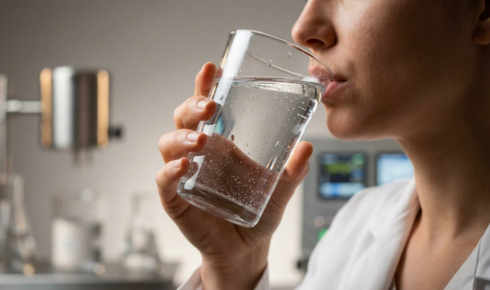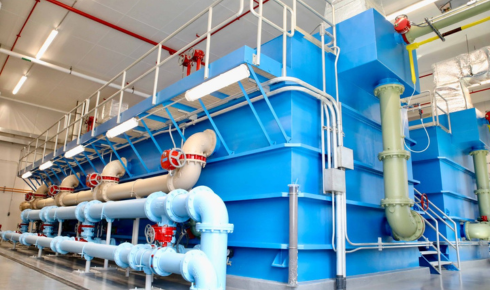






It’s something we rarely think twice about—filling up a glass straight from the tap. Most of us just assume it’s clean. After all, if it looks clear and doesn’t taste weird, it must be fine, right? But water is sneaky. Beneath that sparkling surface could be a cocktail of hidden trouble. And if your senses are already catching something off, your water might be trying to tell you a story.
Let’s break it down—not with rigid science speak, but like you’re chatting over coffee with a friend who’s kind of obsessed with water quality.
Trust Your Nose First: What’s That Smell?
Ever turned on the faucet and caught a whiff of rotten eggs? Or maybe your kitchen suddenly smells like a swimming pool? Yeah, that’s not your imagination playing tricks on you. Your nose is often your first line of defense when something’s off with your water.
Sulfuric smells (the classic rotten egg scent) usually come from hydrogen sulfide. This gas forms naturally from decaying organic matter and might sneak into your plumbing from groundwater or pipes. It’s not typically harmful in small doses, but it’s unpleasant and can corrode metal over time.
Chlorine-like odors are also common—especially in municipal water supplies. Water treatment plants use chlorine to disinfect, but if the scent is overpowering, your tap might be overdoing it.
And then there’s that musty, earthy smell—like someone dunked a wet rag into your cup. That could be from algae or bacteria in the source water. Again, not necessarily dangerous, but definitely something to investigate.
If you’ve ever wondered whether to brush it off or call someone, take it seriously. Strange water odors can indicate more than just natural minerals; they can be warning signs of deeper issues in your pipes, tanks, or even the supply system itself.
When Taste Buds Raise Eyebrows
Taste can be equally telling, though it’s trickier—especially since we all perceive flavors a bit differently. Still, metallic, bitter, salty, or chemical-like aftertastes shouldn’t be ignored.
Metallic taste? That could be iron, copper, zinc—or worse, lead—from aging pipes. Salty water may hint at high chloride levels, often due to nearby road salt runoff or seawater intrusion if you’re near a coast.
Here’s a pro tip: if your water ever starts tasting like pennies, bleach, or rust, don’t keep sipping. Your body’s pretty good at flagging what doesn’t belong.
But let’s be honest—it’s not always easy to decode these subtle hints. That’s where testing steps in.
Don’t Guess—Test Drinking Water Like a Pro
If you’ve made it this far, there’s a good chance you’ve already got questions about what’s really in your water. Maybe you’re a parent, maybe you’re on a health kick, or maybe your dog just flat-out refuses to drink from the bowl lately. Whatever pushed you to care, here’s the truth: the only way to know what’s really in your water is to test it.
Now, testing sounds like something that should involve a lab coat and lots of charts, but it can actually be quite simple. You’ve got a few options:
- DIY Test Kits – Cheap, quick, and available online. Good for a general snapshot (think pH, chlorine, hardness, nitrates).
- Professional Lab Testing – More expensive, but way more comprehensive. If you suspect lead, pesticides, bacteria, or industrial runoff, this is your safest bet.
- Municipal Reports – If you’re on city water, check out the annual Consumer Confidence Report (CCR). It’ll give you the basics, but it won’t reflect what’s happening inside your home’s plumbing.
Point is—if you care about what you’re putting in your body every day, don’t just play the guessing game. Test drinking water at the source and let the results guide your next move.
Peeking Behind the Curtain: What Are We Even Testing For?
Okay, so you’re onboard with testing. But what exactly are you looking for?
The list is long (and a little scary), but let’s simplify. Most water testing revolves around a few big categories:
- Microorganisms – Bacteria, viruses, parasites. These are the urgent ones—think E. coli or giardia.
- Heavy Metals – Lead, arsenic, mercury. Even tiny amounts can be toxic, especially for kids.
- Chemical Contaminants – Pesticides, PFAS (those “forever chemicals” in Teflon and firefighting foam), VOCs (volatile organic compounds).
- Hardness & Minerals – Calcium, magnesium, iron. Not dangerous, but can wreak havoc on appliances.
- Disinfectant Byproducts – When chlorine reacts with organic matter, it can form new, not-so-great compounds.
You don’t need to run every test every time, but understanding what’s on the radar helps you prioritize.
If you’re relying on a private well or live near industrial zones or farms, contaminants testing should be part of your yearly routine. Just like you get your car serviced, your water needs its checkup too.
But My Water Looks Clear—Isn’t That Enough?
That’s the tricky part. Contaminated water often looks perfectly fine. You might not see, smell, or taste anything unusual, but that doesn’t mean it’s safe.
Invisible threats like lead or nitrates don’t announce their presence with funky colors or cloudiness. And pathogens? They’re stealthy little monsters.
So while your senses can alert you to immediate concerns, don’t stop there. Testing fills in the gaps your body can’t detect.
What You Can Do—Starting Today
Feeling overwhelmed? That’s fair. But knowledge is power, and this isn’t about scaring you—it’s about giving you control.
Start small:
- Get a basic test kit.
- Review your area’s water report.
- Consider installing a filter tailored to your water’s specific issues (not just any random pitcher from the store).
- Stay curious. Water quality can change over time—especially after floods, construction, or changes in municipal treatment.
Taking these steps won’t just give you peace of mind—it’ll protect your health and your home’s plumbing too.
Final Thoughts: Listen to What Your Water Is Saying
Water isn’t just a background character in our lives—it’s front and center, every single day. And like any good relationship, trust starts with communication. If your water tastes weird, smells funky, or leaves you uneasy, it’s worth listening.
Your tap might not speak your language, but through scent, taste, and testing, it can still send a message.