



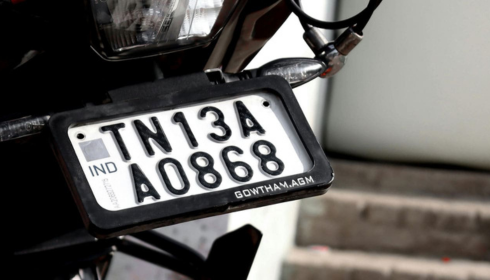
If you own a vehicle in India, you’ve probably heard about HSRP—High Security Registration Plates. Over the last few years, state transport departments have made HSRP mandatory for most vehicles, both old and new. Yet many vehicle owners still feel confused about how to book my hsrp number correctly, where to apply, and what to expect after booking. This guide breaks everything down in a clear, practical way so you can complete the process without stress.
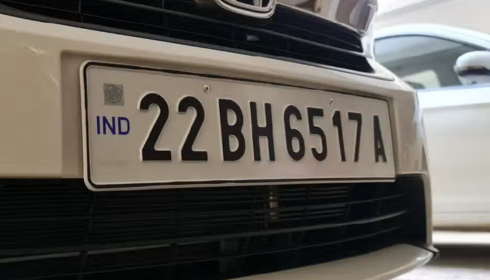
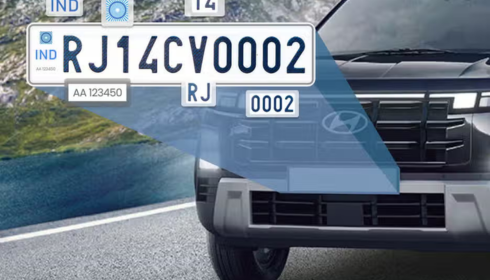
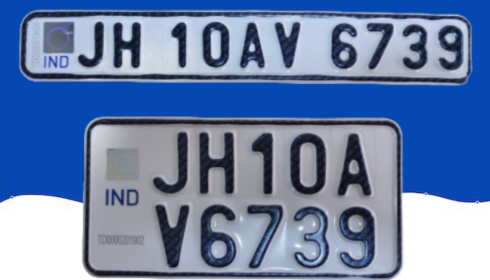
HSRP plates are not just another formality. They are designed to improve vehicle security and reduce theft and misuse. Each plate comes with a unique laser-etched code, a chromium-based hologram, and a snap-lock mechanism that makes tampering difficult. Because of these features, HSRP helps law enforcement track vehicles more efficiently and ensures uniformity across the country.
Why Booking HSRP Is Mandatory
The Ministry of Road Transport and Highways introduced HSRP to bring standardisation to vehicle number plates. Vehicles registered before April 2019 often came with ordinary plates, which are easier to duplicate. HSRP eliminates that risk. Many states now impose fines if your vehicle does not have an HSRP installed, and some even restrict access to fuel or challan services without it. That’s why completing the booking process on time is so important.
How the Online Booking Process Works
The online system has made it easier than ever to apply. When people search for book my hsrp, they’re usually looking for an official, government-approved portal where the process is straightforward and transparent. While portals may differ slightly by state, the steps are generally similar.
You start by entering your vehicle details such as registration number, chassis number, and engine number. After that, you select your state and the authorised dealer or fitment centre. The system then shows available appointment dates and time slots. Once you confirm your details, you pay the prescribed fee online.
Documents and Details You’ll Need
Before starting the booking, keep a few things ready. Your vehicle registration certificate (RC) is essential, as most details must match exactly. A mobile number is also required for OTP verification and booking updates. Make sure the information you enter is accurate—any mismatch can delay your appointment or lead to rejection at the fitment centre.
What Happens After Booking
After successful payment, you’ll receive a confirmation message or email with your appointment details. On the scheduled date, visit the selected fitment centre with your vehicle. The staff will verify your details, remove the old number plates, and install the HSRP plates using secure snap locks. In most cases, the entire process takes less than 30 minutes.
It’s a good idea to reach the centre on time and carry a copy of your booking receipt. Some centres also ask for a valid ID, so keeping one handy helps avoid last-minute issues.
Costs and Timelines
The cost of HSRP varies slightly depending on vehicle type—two-wheelers, four-wheelers, or commercial vehicles—but it is generally affordable and regulated by the state. Once installed, HSRP plates usually last the lifetime of the vehicle unless damaged or replaced due to re-registration.
Common Mistakes to Avoid
One common mistake is booking through unauthorised websites or agents. Always use state-approved portals to avoid overcharging or invalid plates. Another issue is entering incorrect chassis or engine numbers, which can cause delays. Double-check everything before submitting the form.
Final Thoughts
Booking an HSRP number is no longer optional—it’s a necessary step toward safer and more compliant road usage. With online portals simplifying the process, there’s really no reason to delay. Take a few minutes, gather your documents, and complete the booking the right way. Once your HSRP is installed, you’ll have peace of mind knowing your vehicle meets legal requirements and modern security standards.