When people think about protecting their homes, the roof usually gets all the credit. It keeps the rain out, stands up to harsh weather, and quietly does its job year after year. But there’s another part of the home that’s just as important and often forgotten until something goes wrong—the gutter system.
It isn’t particularly glamorous. No one admires a house because of its gutters, and they’re certainly not the feature that catches a visitor’s eye. Still, these narrow channels play an enormous role in keeping your home dry, stable, and free from water damage.
The surprising part is that many expensive home repairs begin with something as simple as rainwater not flowing where it should. That’s why understanding how gutters work—and taking care of them—can save homeowners a great deal of stress in the long run.
Rainwater Needs Somewhere to Go
Every time it rains, thousands of gallons of water may fall onto your roof throughout the year. Without a proper drainage system, that water doesn’t simply disappear.
Instead, it runs down exterior walls, pools around the foundation, damages landscaping, and gradually weakens areas that were never designed to stay wet for long.
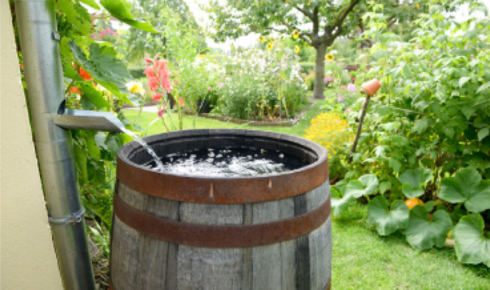
A properly functioning gutter system collects rainfall and directs it safely away from the home through downspouts, reducing the risk of erosion, basement leaks, siding damage, and foundation problems.
It’s one of those systems that works quietly in the background, yet its importance becomes obvious the moment it stops working.
Why gutters Matter More Than You Think
Many homeowners don’t pay much attention to their gutters until they begin overflowing during a heavy rainstorm.
By that stage, leaves, twigs, dirt, and roofing granules have often built up enough to restrict water flow. Instead of moving through the downspouts, rain spills over the edges and collects in places where it shouldn’t.
That excess moisture can damage fascia boards, stain siding, weaken landscaping, and even seep toward the home’s foundation over time.
Keeping gutters clean and functioning properly is one of the simplest ways to prevent water-related damage before it begins.
Small Maintenance Goes a Long Way
Home maintenance often feels overwhelming because there always seems to be another project waiting.
Fortunately, gutter care doesn’t require complicated equipment or expensive upgrades.
Seasonal cleaning removes debris before it creates blockages. Checking for loose brackets, leaking joints, or sagging sections helps identify problems while they’re still easy to fix.
Even taking a quick walk around the house after a heavy rain can reveal whether water is flowing correctly or spilling over the edges.
These simple habits require very little time but often prevent much larger repair bills later.
Choosing Quality gutter installation Makes a Difference
Not all gutter systems perform equally.
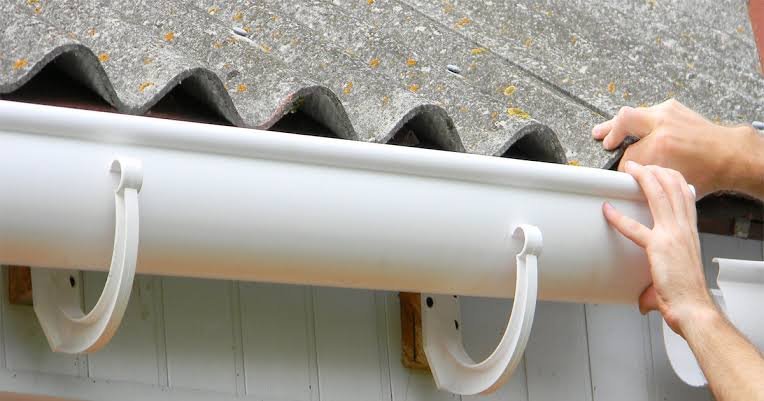
A professional gutter installation ensures the system has the correct size, slope, and placement to handle the amount of rainfall common in your area. Even a slight error in alignment can prevent water from draining efficiently.
Well-installed gutters also reduce the likelihood of leaks at seams, minimize standing water, and improve long-term durability.
While it may be tempting to view installation as a one-time expense, quality workmanship often pays for itself by reducing maintenance needs and preventing future water damage.
Getting the basics right from the beginning creates a stronger foundation for years of reliable performance.
Trees Can Create Hidden Challenges
Large trees bring plenty of benefits to a property. They provide shade, improve curb appeal, and make outdoor spaces more enjoyable.
They also happen to be one of the biggest reasons gutters become clogged.
Leaves, pine needles, seed pods, and small branches collect surprisingly quickly, especially during autumn or after storms. Once debris builds up, water begins backing up instead of flowing through the downspouts.
Regular trimming of nearby branches helps reduce debris accumulation while making routine cleaning easier throughout the year.
Sometimes a little preventive landscaping protects both the roof and the gutter system at the same time.
Water Damage Doesn’t Always Appear Immediately
One reason gutter issues are often ignored is because the damage develops slowly.
Overflowing water may soak wooden trim long before visible rot appears. Soil around the foundation gradually erodes with repeated exposure. Moisture may even enter crawl spaces or basements without creating obvious signs right away.
Months—or even years—can pass before homeowners realize the extent of the damage.
That’s why prevention remains far more affordable than restoration.
A functioning drainage system quietly protects areas of the home that most people rarely think about.
When Professional gutter services Are Worth It
Some maintenance tasks are easy enough for homeowners to handle.
Others are better left to experienced professionals.
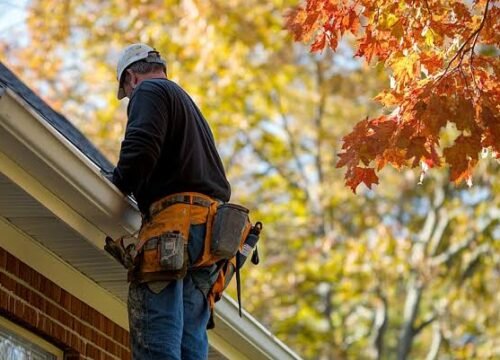
Reliable gutter services include inspections, cleaning, repairs, resealing joints, replacing damaged sections, adjusting slope, and identifying drainage issues that may not be visible from the ground.
Professionals also have the equipment to work safely on multi-story homes or steep rooflines, reducing the risk of accidents.
Scheduling periodic professional maintenance provides reassurance that the entire system continues operating as intended before severe weather arrives.
Gutter Guards Can Help—but They’re Not Perfect
Many homeowners install gutter guards hoping they’ll eliminate maintenance completely.
While these systems certainly reduce the amount of debris entering the gutters, they don’t make cleaning unnecessary.
Small particles, roof granules, pollen, and fine debris can still accumulate over time. Periodic inspections remain important to ensure water continues flowing freely.
Think of gutter guards as reducing maintenance—not replacing it entirely.
They’re a helpful addition, but regular observation still matters.
Protecting More Than Just the Roof
People often associate gutters only with roofing, but their benefits extend throughout the property.
Proper drainage protects foundations from excessive moisture. It helps preserve siding, windows, landscaping, patios, driveways, and even outdoor walkways by reducing standing water and erosion.
In colder climates, efficient drainage also helps reduce ice buildup around roof edges and walkways.
In other words, healthy gutters support the overall health of the entire home.
It’s a surprisingly small system with a remarkably large responsibility.
Final Thoughts
Gutters rarely become the most exciting part of homeownership, yet they consistently prove to be one of the most valuable.
By directing rainwater safely away from your home, they protect everything from your roof and siding to your foundation and landscaping. Ignoring them may not cause immediate problems, but over time, even minor drainage issues can grow into expensive repairs.
Fortunately, caring for your gutter system doesn’t require major effort. Routine cleaning, occasional inspections, timely repairs, and professional maintenance when needed can keep everything flowing smoothly for years.
At the end of the day, your home depends on countless systems working together behind the scenes. Gutters happen to be one of the quietest—and most important. Giving them the attention they deserve is a simple investment that pays off every time the rain begins to fall.