Water is one of those things most people don’t think much about until something seems wrong. Maybe there’s a strange smell when you turn on the tap. Perhaps the water leaves white spots on your dishes, tastes metallic, or looks cloudy in a glass. Sometimes the signs are subtle, but they can still point to an issue worth investigating.
For Houston homeowners, water quality can be influenced by local water sources, plumbing systems, household pipes, and the condition of treatment equipment. That’s why simply buying a filter and hoping for the best isn’t always the smartest approach. Good water care starts with understanding what’s actually in the water.
Why Water Quality Can Be Complicated
Not every water problem looks the same, and not every solution works for every home. Hard water, for example, can leave mineral deposits on faucets and shower doors. Chlorine may affect taste and odor. Sediment can make water appear cloudy, while certain contaminants may not change the appearance of water at all.
This is where professional water testing becomes especially useful. Instead of guessing based on taste or appearance, testing can provide a clearer picture of the water’s characteristics. It can help identify concerns such as hardness, pH, chlorine, sediment, iron, or other substances depending on the type of test performed.
Think of it like checking the engine before replacing random car parts. You want to know what’s actually going on first.
Common Water Problems Houston Homeowners Notice
Some water concerns are more obvious than others. A home may experience one issue or several at the same time.
Hard water is a common example. It contains minerals such as calcium and magnesium that can accumulate inside plumbing fixtures and appliances. Over time, that buildup can become a nuisance. You may notice scale around faucets, reduced soap lather, or spots on glassware.
Another concern is unpleasant taste or odor. Chlorinated water can have a noticeable smell, while certain water conditions may produce metallic or sulfur-like odors. Discolored water may also result from sediment, aging plumbing, or changes within the water supply.
Then there are contaminants that aren’t necessarily visible. Clear water isn’t automatically problem-free. That’s one reason relying solely on appearance can be misleading.
Choosing the Right Water Problem Treatment
Once the source of the issue is understood, the next step is choosing an appropriate solution. water problem treatment should be based on the specific characteristics of the water rather than a one-size-fits-all approach.
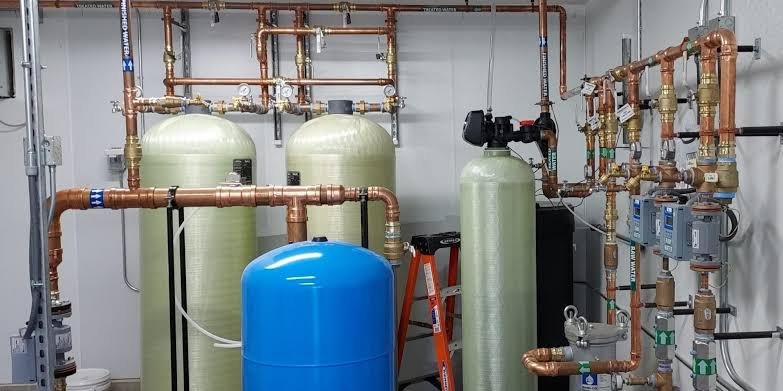
For hard water, a water softener may be appropriate. Filtration systems can address particular taste, odor, or sediment concerns, while reverse osmosis systems are commonly used for drinking-water treatment at a specific tap or point of use.
Whole-home systems can take a different approach by treating water as it enters the property. This can be useful when homeowners want improved water quality throughout the house rather than only at the kitchen sink.
The important thing is matching the equipment to the problem. More filtration isn’t necessarily better if the system isn’t designed for the contaminants or conditions you’re trying to address.
Why Professional Water Treatment Can Make Sense
There’s certainly no shortage of DIY water filters and treatment products available today. Some can be helpful, particularly for straightforward needs. But water treatment gets complicated when several factors overlap.
Professional water treatment services in houston can help homeowners evaluate their water, understand possible causes, and select equipment suited to the property. A qualified provider may also consider household water usage, plumbing configuration, existing filtration, maintenance requirements, and available space.
That broader view matters. A system that works beautifully in one home might perform differently in another because the water chemistry, flow requirements, or plumbing setup isn’t identical.
And installation matters, too. Even good equipment can underperform when it’s incorrectly sized, installed poorly, or neglected after installation.
Don’t Forget About Maintenance
Installing a treatment system isn’t really the finish line. It’s more like buying a car: useful, reliable, but still something that needs attention.
Filters need to be replaced according to the manufacturer’s recommendations. Water softeners may require salt or other maintenance depending on the system. Reverse osmosis units have membranes and filters that need periodic servicing.
Skipping maintenance can reduce performance and, in some cases, allow problems to return without being noticed immediately.
Homeowners should also keep an eye out for changes. A new smell, sudden discoloration, unusual taste, declining water pressure, or visible scale can be worth investigating, especially if the change appears unexpectedly.
Whole-Home Treatment vs. Drinking Water Filtration
One decision homeowners often face is whether they need treatment throughout the house or only for drinking and cooking.
A point-of-use system focuses on a particular location. For example, a reverse osmosis system under the kitchen sink can provide treated water for drinking and food preparation without treating every gallon used for showers, laundry, or toilets.
Whole-home treatment takes a broader approach. Depending on the system, it may help address water conditions throughout the property. This can be particularly appealing when hard water, sediment, or other concerns affect showers, appliances, fixtures, and plumbing as well as drinking water.
Neither approach is automatically better. It depends on the water problem and what the household actually needs.
Start With Facts, Not Fear
Water quality discussions can sometimes become confusing because there are so many products, claims, and technical terms involved. Homeowners don’t need to become water chemistry experts overnight.
A better starting point is simple: identify the concern, test when appropriate, and then choose a treatment method that addresses the actual issue.
It’s also worth remembering that water treatment isn’t only about drinking water. The right system can make everyday household tasks easier, protect fixtures and appliances from certain types of buildup, and improve the overall experience of using water at home.
A Smarter Way to Think About Water Quality
Good water doesn’t happen by accident. It comes from understanding the source, recognizing warning signs, and using treatment technology appropriately.
If your tap water smells unusual, leaves stubborn deposits, tastes different, or simply doesn’t seem right, don’t immediately assume you need the most expensive system on the market. Start with information. Find out what’s happening, understand your options, and choose a solution that fits your home.
After all, water treatment should solve a problem—not create another one. A thoughtful approach can mean cleaner, better-tasting water and fewer headaches down the road, which is really what most homeowners want in the first place.