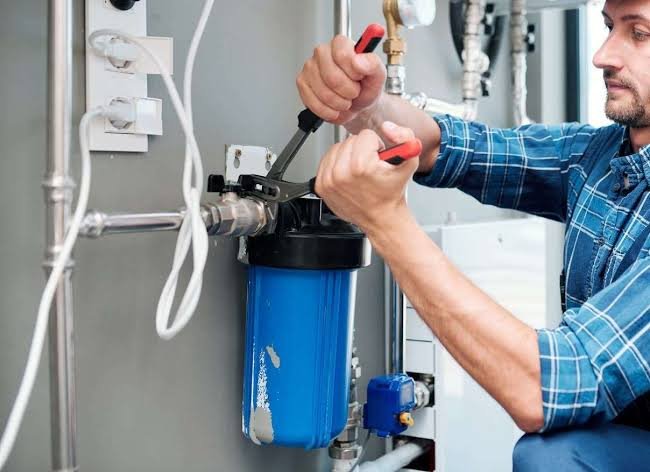
A water treatment system can quietly become one of the hardest-working pieces of equipment in a home or business. It runs behind the scenes, dealing with minerals, sediment, odors, or other water-quality concerns while everyone else gets on with the day.
Then, eventually, something changes. Water doesn’t feel quite the same. Scale starts showing up again. Filters seem to clog faster. Maybe the system is simply old and you’re wondering whether it’s still doing what it was supposed to do.
That’s usually the moment to pause rather than immediately replace everything.
A thoughtful system evaluation can reveal what’s working, what’s not, and whether you actually need new equipment. Sometimes the answer is a simple adjustment or replacement component. Other times, upgrading is the sensible move.
Start by Looking at the Water, Not the Equipment
It sounds obvious, but homeowners often begin the process by looking at products.
That’s understandable. There are countless filters, softeners, purifiers, and treatment packages advertised online. Each one seems to have a slightly longer list of features than the last.
But equipment should come after understanding the water.
If your water has high hardness, for example, you may need a softening solution. If sediment is the issue, filtration may be more appropriate. Chlorine taste can call for different technology altogether.
A water test provides the information needed to make that distinction. Without it, choosing equipment is mostly guesswork.
What a System Evaluation Can Reveal
A proper evaluation isn’t simply someone looking at the tank and saying, “Yep, it looks old.”
It should consider the age and condition of the equipment, water quality, household usage, system settings, maintenance history, and overall performance.
An evaluation may uncover a clogged filter, incorrect settings, worn components, poor flow rates, or equipment that is simply no longer suitable for the property’s needs.
It can also reveal when a system is doing perfectly well and doesn’t need to be replaced.
That’s an important point. A trustworthy water treatment professional shouldn’t automatically recommend a new system just because an older one has a few years behind it.
The Importance of Water Testing
Water can change over time. Even if your treatment system worked beautifully when it was installed, conditions may be different today.
Private wells can experience changes related to groundwater conditions, nearby construction, flooding, or seasonal factors. Municipal supplies can also have characteristics that vary by location and distribution system.
Testing can help identify hardness, pH, iron, chlorine, sediment, and other relevant factors.
Once the identified concerns are clear, it becomes much easier to determine whether your current equipment is capable of addressing them.
You might discover that the system needs a different setting. Or perhaps one treatment stage needs to be added. In some cases, replacement really is the best option.
The point is to let the evidence guide the decision.
Why Proper Sizing Matters
One of the most overlooked parts of water treatment is system capacity.
A treatment system needs to handle the amount of water your property actually uses, especially during periods of high demand.
Imagine a family with several bathrooms, a washing machine, dishwasher, and multiple people showering around the same time. The water demand can spike quickly.
A system that’s too small may struggle to keep up. That can result in inconsistent treatment or reduced performance.
On the other hand, buying a system that’s far larger than necessary can increase upfront costs without delivering meaningful benefits.
The goal is to choose equipment that is properly sized for the property.
Sizing should take into account household size, water usage, flow rate, peak demand, and the characteristics of the water being treated.
Older Doesn’t Always Mean Useless
It’s easy to assume that an older water treatment system needs to go.
But age alone doesn’t tell the whole story.
A well-maintained system with reliable components may continue working effectively for many years. Meanwhile, a newer system that has been poorly installed or neglected might perform badly.
Look at the complete picture.
How often has the system needed repairs? Are replacement parts still available? Is it meeting current water-quality needs? Are operating costs reasonable? Does it still have manufacturer support?
Those questions tell you far more than the installation date.
When Replacement Makes More Sense
There are situations where upgrading really is the smarter choice.
If the system repeatedly fails, replacement parts are difficult to find, operating costs have become excessive, or the equipment no longer addresses your water conditions, continuing to repair it may not make financial sense.
Newer systems may also offer improved controls, better efficiency, easier maintenance, or treatment capabilities that weren’t available when the original equipment was installed.
Still, compare the long-term cost rather than focusing only on the purchase price.
A new system is an investment, so consider installation, maintenance, filter replacement, salt consumption, energy use, warranty coverage, and expected lifespan.
Maintenance Can Change the Whole Picture
Sometimes poor performance isn’t caused by bad equipment at all. It’s simply neglected equipment.
Filters become clogged. Salt levels fall. Settings get changed accidentally. Components wear out.
Regular maintenance helps prevent these problems from building up.
Keep track of filter replacement dates and follow the manufacturer’s maintenance recommendations. If the water quality changes unexpectedly, investigate rather than simply adjusting settings at random.
Small maintenance tasks can extend equipment life and help you get more value from the system you’ve already purchased.
Don’t Forget About Future Needs
A system should fit your property today, but it’s worth thinking about tomorrow too.
Maybe your family is growing. Perhaps you’re adding a bathroom, renovating the kitchen, or installing appliances that use more water.
Commercial properties face similar changes. Business expansion can increase water consumption and place additional demands on treatment equipment.
If you’re evaluating a system for replacement, tell the professional about planned changes. A system that’s perfect today may become undersized after a major renovation.
Make the Decision With Confidence
Replacing a water treatment system shouldn’t feel like a guessing game.
Start with water testing. Evaluate the existing equipment. Understand your actual water usage and treatment requirements. Then compare repair and replacement options based on long-term value.
Sometimes the best answer is surprisingly simple: replace a filter, adjust the settings, or repair one component. Other times, an upgrade is clearly justified.
Either way, taking the time to evaluate before spending money is rarely wasted effort.
Water treatment works best when the equipment, water conditions, and household needs all line up. Get those three pieces right, and you won’t just have a newer system — you’ll have one that’s genuinely suited to the job it’s expected to do.