



There’s something oddly comforting about good water. You don’t really notice it when it’s working the way it should — it flows smoothly, rinses clean, and quietly supports everything from morning coffee to late-night dishwashing. It’s one of those background essentials that keeps life running without demanding attention.
But when water quality changes, even slightly, it doesn’t take long to feel the difference.
Soap stops lathering properly. Laundry feels rough. Appliances seem to struggle more than they used to. Suddenly, that invisible system you never thought about becomes a daily frustration.
Understanding how water quality affects your home — and why it matters beyond simple convenience — can help homeowners protect their comfort, finances, and long-term infrastructure.
The Subtle Signs of Water Quality Problems
Many water issues don’t show up dramatically. Instead, they appear slowly, almost quietly.
You might notice white residue forming around faucets or a chalky film on shower doors. Glassware might come out of the dishwasher looking cloudy no matter how often you clean it.
These small signs often indicate hard water, which contains elevated levels of minerals such as calcium and magnesium.
While not harmful to drink, these minerals can create ongoing household challenges that grow worse over time.
Recognizing these early clues is often the first step toward improving water quality.
How Water Quality Impacts Daily Routines
Water interacts with nearly everything in your home — from cooking and cleaning to bathing and laundry.
When water quality declines, routine tasks become less efficient.
Soap may require more effort to rinse away. Shampoo might leave hair feeling dry. Cleaning products may not work as effectively.
These inconveniences often seem minor at first, but they accumulate over time, affecting both comfort and productivity.
Improving water quality restores ease to everyday routines.
The Efficiency Factor Most People Overlook
One of the biggest hidden effects of hard water is reduced efficiency.
Mineral deposits gradually build up inside pipes and appliances, restricting water flow and forcing systems to work harder.
This leads to increased energy consumption, higher utility bills, and faster wear on equipment.
By addressing mineral issues, homeowners can achieve improved water efficiency, reducing waste and supporting more sustainable household operations.
Efficiency gains may not always be immediately visible, but they can significantly impact long-term costs.
Protecting Your Home’s Most Valuable Equipment
Appliances that rely on water — such as dishwashers, washing machines, and water heaters — are particularly vulnerable to mineral buildup.
Over time, scale accumulation can reduce heating efficiency, clog internal components, and shorten equipment lifespan.
This is why proper water treatment plays a key role in appliance protection.
Preventing mineral deposits helps appliances operate more smoothly, reducing maintenance needs and delaying costly replacements.
For many homeowners, this benefit alone justifies investing in water quality improvements.
The Everyday Comfort of Better Water
While efficiency and equipment longevity are important, water quality also directly affects comfort.
Many homeowners who switch to treated water immediately notice the difference.
Bathing feels more refreshing. Skin feels smoother. Hair becomes easier to manage.
Laundry often comes out softer and brighter, requiring less detergent.
This improvement in daily experience comes from having softer water, which allows soap to rinse away completely rather than leaving behind residue.
These small changes add up to a noticeably more comfortable home environment.
Why Hard Water Is So Common
Hard water affects millions of households worldwide, particularly in regions where groundwater flows through mineral-rich soil.
Because its effects develop gradually, many homeowners adapt without realizing the underlying cause.
They may assume cleaning challenges or appliance wear are simply part of normal household maintenance.
Understanding the science behind water hardness empowers homeowners to recognize symptoms and explore effective solutions.
The Role of Preventative Maintenance
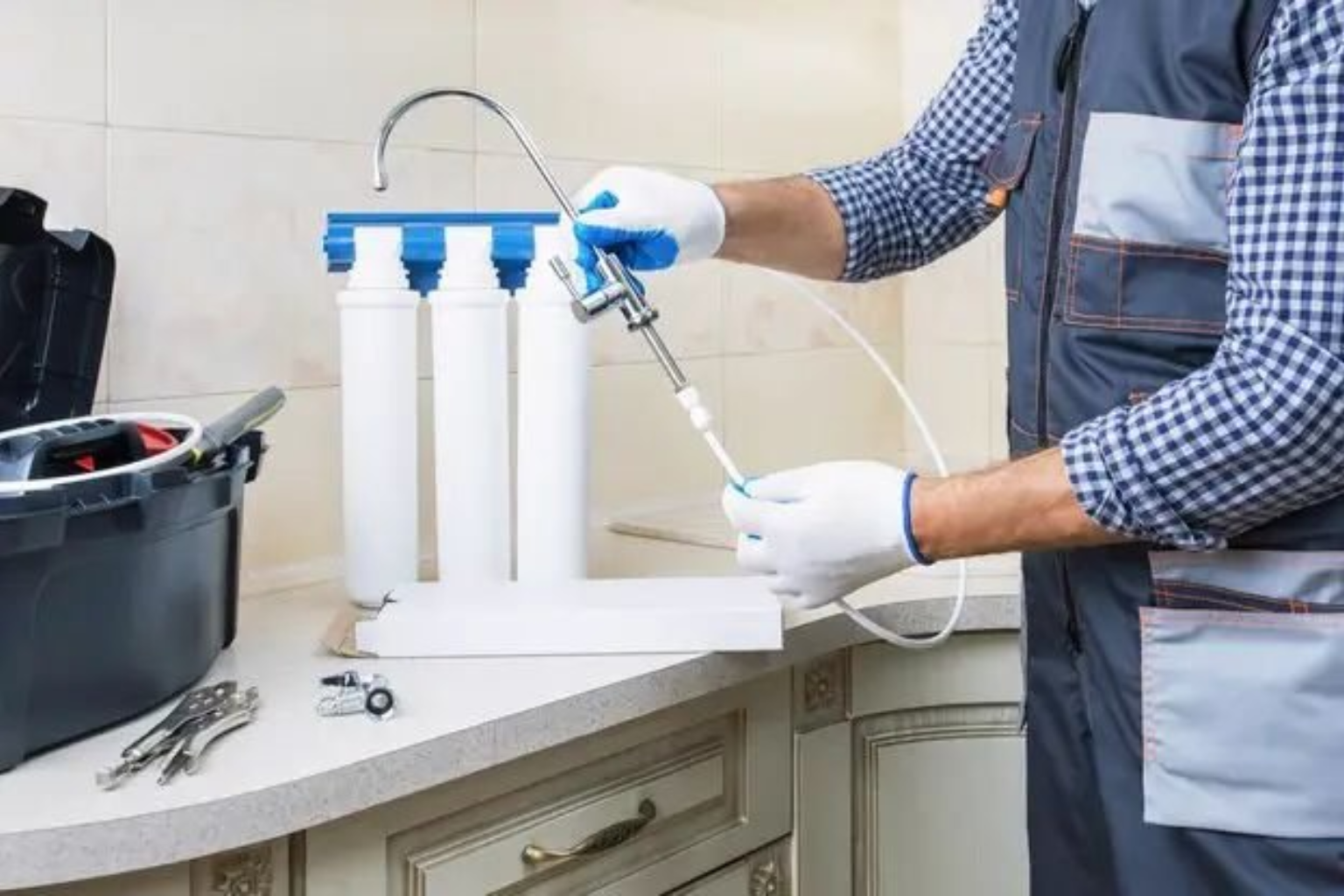
Even after installing water treatment systems, ongoing maintenance remains essential.
Softening systems require periodic servicing to ensure optimal performance.
This includes checking salt levels, cleaning components, and monitoring system settings.
Routine maintenance helps prevent performance declines and ensures consistent water quality over time.
Simple habits — such as scheduling annual inspections — can significantly extend system lifespan.
The Financial Benefits of Water Quality Improvements
Beyond comfort and efficiency, water treatment can also provide long-term financial advantages.
Reduced energy consumption lowers utility bills. Improved appliance efficiency decreases repair costs. Extended equipment lifespan delays replacement expenses.
These cumulative savings often outweigh the initial investment in water treatment systems.
For many homeowners, improved water quality becomes both a practical and economic decision.
The Emotional Side of Reliable Water
Water quality affects more than just physical infrastructure — it also influences emotional well-being.
Reliable, comfortable water supports relaxation, hygiene, and daily routines.
When water problems arise, they can create ongoing frustration and uncertainty.
Restoring water quality often brings an unexpected sense of relief and stability.
Knowing that systems are functioning properly provides peace of mind.
The Bigger Picture: Water Quality and Sustainable Living
Addressing water hardness also contributes to environmental sustainability.
Treated water reduces detergent usage, improves energy efficiency, and minimizes waste.
These benefits align with broader efforts to create more sustainable households.
For environmentally conscious homeowners, water treatment can play an important role in reducing environmental impact.
The Bottom Line: Pay Attention to What Your Water Is Telling You
Water quality issues rarely appear suddenly.
They develop gradually, offering subtle signs before becoming major problems.
Cloudy glassware, rough laundry, and appliance inefficiency all indicate that water may need attention.
By recognizing these signals, investing in proper treatment systems, and maintaining them regularly, homeowners can protect both comfort and infrastructure.
Because in the end, water isn’t just something you use.
It’s a constant presence in daily life — and when it’s working properly, everything feels smoother, easier, and just a little more comfortable.