Most of us don’t spend much time thinking about the water coming from the kitchen faucet. We turn it on, fill a glass, make coffee, boil pasta, and move on with our day. It’s one of those everyday conveniences that quietly works in the background—until something changes. Maybe the water develops an unusual taste, starts leaving white spots on dishes, or carries a faint odor that wasn’t there before.
Those little signs often spark an important question: What’s actually in my water?
The truth is, clear water isn’t always the same as clean water. Many substances that influence water quality can’t be seen, smelled, or tasted. That’s why understanding your home’s water begins with information rather than assumptions. Before investing in expensive filtration equipment or replacing plumbing fixtures, it’s worth learning exactly what your household water contains.
Every Home Has a Different Water Story
One of the biggest misconceptions about residential water quality is the idea that everyone’s water is basically the same.
It isn’t.
Two homes only a few miles apart may receive water from different sources, travel through different distribution systems, or contain different mineral levels depending on local geology. Even neighboring houses can experience noticeable differences due to plumbing materials or aging service lines.
Private well owners often face unique challenges as well. Groundwater naturally interacts with soil and rock formations, which can influence mineral content and other water characteristics.
Because of these variations, copying someone else’s filtration setup isn’t always the smartest approach. Understanding your own water is far more valuable.
Why Guessing Rarely Works
When homeowners notice unpleasant tasting water, many immediately start shopping for filtration systems.
That makes sense—but it’s a little like buying prescription glasses without first getting an eye exam.
Without knowing what’s actually affecting your water, it’s difficult to choose the right solution.
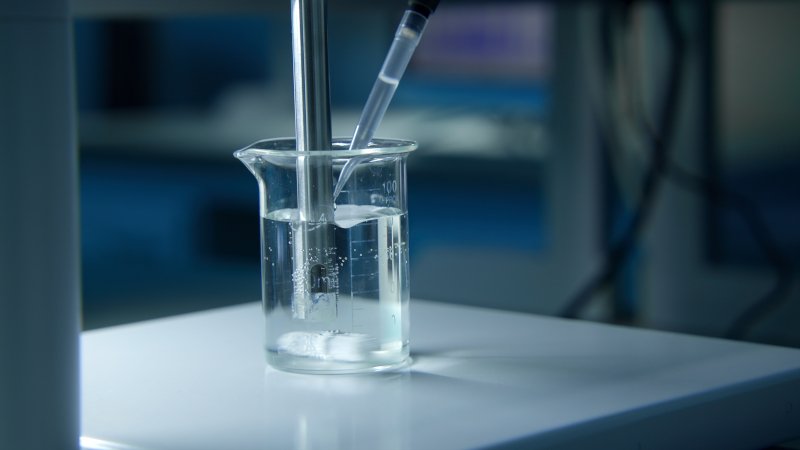
A professional water testing analysis identifies important characteristics such as mineral content, hardness, chlorine levels, sediment, and other factors that may influence both water quality and filtration recommendations.
Instead of relying on assumptions or internet guesses, homeowners receive clear information that helps them make informed decisions.
In many cases, testing reveals that the solution is much simpler—and less expensive—than expected.
Small Changes Can Reveal Bigger Issues
Sometimes the earliest signs of changing water quality are surprisingly subtle.
Coffee no longer tastes quite right.
Tea develops a different flavor.
Soap doesn’t lather as well.
Shower doors collect stubborn mineral deposits more quickly.
These aren’t necessarily signs of dangerous water, but they often indicate that something has changed.
Paying attention to these everyday observations can help homeowners recognize when it’s time to investigate further.
The goal isn’t to create unnecessary concern. It’s simply to understand what’s happening before minor issues become long-term frustrations.
The Importance of Professional Water Testing
Home test kits can provide basic information, but they rarely offer the complete picture.
Professional water testing evaluates multiple characteristics using more detailed methods, helping homeowners understand exactly what treatment—if any—is appropriate.
Testing also prevents unnecessary purchases.
For example, someone dealing primarily with hard water may not need the same filtration system as a homeowner concerned about chlorine taste or sediment. Likewise, private well owners often require different recommendations than homes connected to municipal water systems.
Having accurate information first makes every later decision much easier.
It’s a practical investment that often saves money while improving long-term satisfaction.
Water Quality Influences Everyday Living
People often think about drinking water first, but water affects far more than the occasional glass from the kitchen sink.
It becomes coffee before work.
It cooks rice, pasta, vegetables, and soup.
It fills reusable bottles for school, workouts, and road trips.
It washes fresh produce before dinner.
When water tastes cleaner, those daily routines often become noticeably more enjoyable.
Many homeowners are surprised by how much difference good water makes in recipes they’ve prepared for years.
Sometimes it’s not dramatic. It’s simply…better.
Local Conditions Matter More Than You Might Expect
Regional water conditions play a significant role in determining the most effective treatment solutions.
For homeowners living in northeast illinois, water quality can vary depending on whether the supply comes from municipal treatment systems, groundwater sources, or local well water. Factors such as seasonal changes, infrastructure age, and naturally occurring minerals may all influence household water characteristics.
This is why local knowledge often matters just as much as the filtration equipment itself.
Professionals familiar with regional water conditions can often recommend solutions that are better suited to the area’s specific challenges rather than offering generic recommendations.
Choosing Solutions Based on Facts
Once water testing has been completed, selecting treatment equipment becomes much more straightforward.
Some households benefit from simple carbon filtration.
Others may need water softening.
Certain homes require more advanced multi-stage filtration depending on the test results.
The important thing is matching the solution to the actual water conditions rather than buying equipment based solely on advertisements or online popularity.
Every home deserves an approach that’s customized to its own water—not someone else’s.
Clean Water Brings Quiet Confidence
One of the most satisfying parts of improving water quality isn’t necessarily the technology itself.
It’s the confidence.
You stop wondering why your coffee tastes inconsistent.
You stop questioning the smell coming from the faucet.
You simply enjoy using your kitchen without second-guessing the water you’re cooking with or drinking every day.
Good water treatment quietly becomes part of everyday life without demanding attention.
That’s exactly how it should be.
Understanding Comes Before Improvement
Homeowners often spend weeks comparing filtration systems, reading reviews, and researching different technologies.
Yet the smartest first step usually isn’t shopping.
It’s learning.
Water testing provides a foundation for every decision that follows. It removes uncertainty, prevents unnecessary spending, and helps homeowners choose solutions that genuinely fit their needs.
At the end of the day, improving household water isn’t really about buying the most expensive equipment or following the latest trend.
It’s about making informed decisions based on accurate information.
When you understand your water, every choice becomes easier—from selecting filtration systems to protecting appliances and enjoying a better-tasting glass of water.
And perhaps that’s the biggest lesson of all. Cleaner water doesn’t begin with a filter.
It begins with knowing what’s already flowing through your home.