Have you ever poured yourself a glass of tap water, taken a sip, and immediately wished you’d grabbed something else? Maybe there’s a lingering metallic taste or a faint chemical flavor that makes drinking water feel more like a chore than a refreshment. It’s a familiar experience for many households, and bottled water often becomes the default alternative.
Fortunately, modern reverse osmosis water filter systems offer homeowners a convenient way to address specific drinking water concerns without constantly purchasing packaged alternatives.
For families throughout Virginia and Maryland, investing in suitable drinking water treatment can make everyday life a little more enjoyable. Before spending money on equipment, however, it’s worth understanding what reverse osmosis does and whether it genuinely fits your household’s needs.
Why Your Tap Water Might Taste Different
Water quality can vary considerably depending on its source, treatment processes, and the condition of the pipes carrying it into your home.
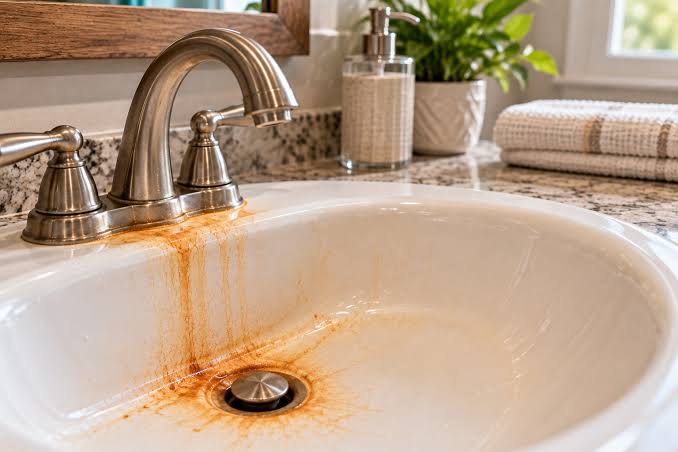
Naturally occurring minerals may influence its flavor, while certain disinfectants can leave a noticeable aftertaste. Aging plumbing may also contribute to particular water quality concerns.
Interestingly, water that tastes perfectly normal isn’t necessarily free from potentially harmful contaminants. Some dissolved substances cannot be detected through taste, smell, or appearance.
That’s why reliable water testing deserves attention before purchasing filtration equipment.
Municipal water customers can review available water quality reports, while private well owners should arrange appropriate laboratory testing specific to their property.
Understanding your water makes choosing suitable treatment much easier.
How Reverse Osmosis Goes Beyond Basic Filtration
An ordinary water filter can be effective at reducing certain unwanted tastes or capturing visible particles. However, dissolved substances often require a different approach.
Reverse osmosis uses water pressure to push water through a semipermeable membrane. Many dissolved substances are rejected by the membrane and carried away through a separate discharge stream.
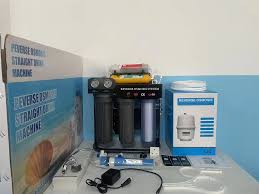
Residential systems typically include preliminary sediment and carbon filters that help protect the membrane and support treatment performance.
Depending on independently verified equipment capabilities, the process can reduce certain metals, nitrates, dissolved salts, and other targeted contaminants.
It’s a valuable treatment technology, although it shouldn’t be considered a universal solution for every water quality problem.
The equipment you choose should address concerns identified through appropriate testing.
Making Better Water Available Whenever You Need It
There’s something convenient about being able to fill your favorite drinking bottle without searching the refrigerator for another plastic container.
Having filtered drinking water readily available at home can simplify everyday routines, whether you’re preparing breakfast, packing school lunches, or making a refreshing pitcher of iced tea.
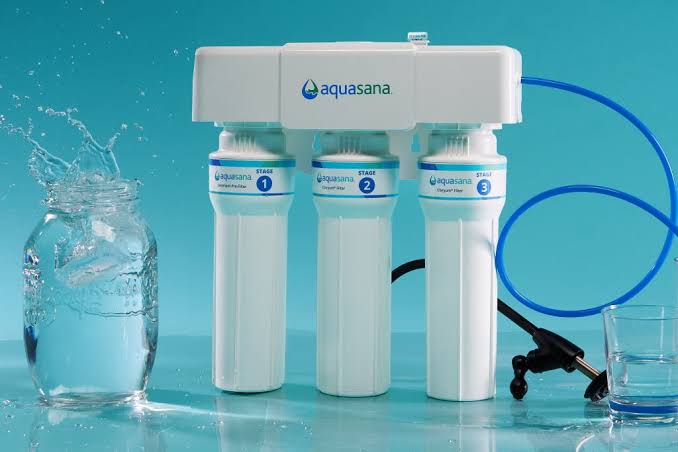
Many residential filtration systems fit comfortably beneath the kitchen sink and provide treated water through a dedicated faucet.
This arrangement keeps countertops relatively uncluttered while making drinking water easily accessible.
For households that regularly purchase bottled water, having suitable treatment equipment at home may also help reduce shopping expenses and disposable packaging.
Sometimes, convenience is one of the most appealing benefits of a household improvement.
Choosing Between Traditional and Modern Filtration Designs
Not every kitchen has enough room for bulky equipment. And not every household consumes the same amount of drinking water.
When comparing reverse osmosis filtration options, consider available cabinet space, daily water consumption, incoming water pressure, treatment efficiency, and maintenance requirements.
Traditional systems generally include a storage tank that holds treated water until it’s needed. Tankless models produce water on demand and may appeal to homeowners looking to save space.
Countertop units can also be considered when permanent plumbing modifications aren’t practical.
Some equipment includes remineralization cartridges for people who prefer a particular mineral balance in their water.
Rather than choosing a system based entirely on the number of filtration stages, focus on verified performance and practical features that complement your lifestyle.
Discovering the Difference in Your Kitchen
Water rarely gets much credit as an ingredient, yet it plays an important role in countless recipes.
Think about freshly brewed coffee, homemade vegetable soup, or the pasta you prepare after a busy working day.
Unpleasant water flavors can sometimes influence the finished result. Appropriate filtration may provide a more neutral-tasting starting point.
Of course, personal preferences vary. Coffee enthusiasts, for instance, often appreciate water containing a suitable balance of minerals.
Beyond cooking, having conveniently accessible drinking water may encourage household members to reach for a glass of water more often.
These are modest changes, but they’re the kind that can become valuable through everyday repetition.
Understanding the Costs and Responsibilities of Ownership
Installing a reverse osmosis system involves more than paying for the equipment itself.
Replacement cartridges, membrane servicing, and water consumption contribute to ongoing operating expenses. Certain models may also require electricity.
The treatment process produces reject water, making system efficiency another worthwhile consideration.
Regular maintenance is equally important. Preliminary filters gradually lose effectiveness, membranes eventually need replacement, and certain components may require periodic sanitization.
Following manufacturer recommendations helps preserve treatment performance.
Periodic water testing is particularly valuable when equipment is intended to reduce potentially harmful contaminants. Remember that improved taste alone doesn’t establish drinking water safety.
A Thoughtful Investment in Something You Use Every Day
Choosing reverse osmosis doesn’t need to become an overwhelming household project. Begin with reliable testing, understand your family’s requirements, and select equipment that fits your kitchen and budget.
The right treatment system can address specific water quality concerns while making everyday drinking water more convenient.
After all, we spend considerable time and money improving different areas of our homes. Giving some attention to something as essential as drinking water seems like a perfectly sensible investment.
Better water may be a quiet household improvement, but it’s one you can appreciate with every refreshing glass.