Water is such an ordinary part of life that we rarely stop to think about what’s in it. We fill the kettle, rinse vegetables, and pour ourselves a glass whenever we’re thirsty. Everything feels routine until an unpleasant taste or an unexpected change in water quality catches our attention.
For some households, that moment leads to a growing interest in better filtration.
Homeowners considering drinking water filtration with RO often want a convenient way to reduce specific dissolved contaminants while improving the overall drinking water experience.
Reverse osmosis has become a practical option for many households, but understanding how it works is just as important as choosing the equipment itself. After all, nobody wants to spend money on a filtration system that doesn’t meet their expectations.
What Happens Inside a Reverse Osmosis System?
Reverse osmosis might sound like something you’d encounter in a science classroom, but the basic process is relatively easy to understand.
Water pressure pushes water through a semipermeable membrane designed to separate water from many dissolved substances. The treated water moves toward a dedicated faucet or storage tank, while rejected substances leave through a separate wastewater stream.
Unlike ordinary mechanical filtration, this process can reduce contaminants that are dissolved within the water rather than simply floating around as visible particles.
Depending on the equipment’s verified performance, reverse osmosis may help reduce lead, fluoride, nitrates, dissolved salts, and certain other substances.
However, water conditions and system design influence treatment effectiveness. Choosing equipment with independently verified contaminant reduction capabilities is always worthwhile.
Why Multiple Filtration Stages Can Be Helpful
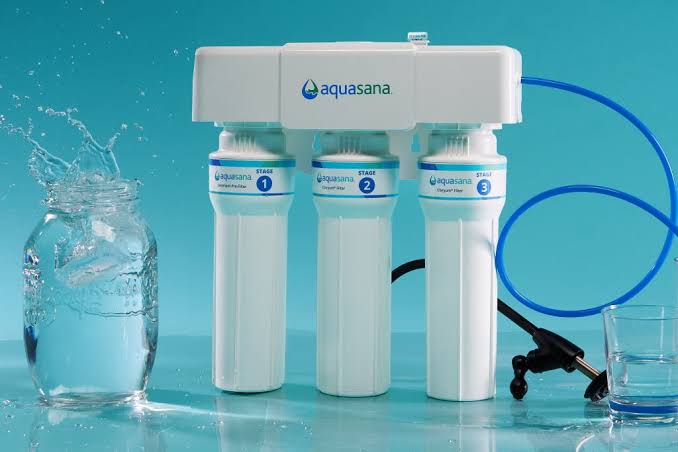
Take a closer look at most residential reverse osmosis units, and you’ll probably notice several different cartridges connected to one another.
That’s because different filtration components perform different jobs.
Well-designed multi-stage reverse osmosis systems generally combine preliminary filtration, membrane treatment, and sometimes additional finishing stages to address particular water quality concerns.
A sediment filter may capture suspended particles before they reach more sensitive components. Activated carbon pretreatment can help reduce chlorine and certain other substances that could affect membrane performance.
The membrane then handles much of the dissolved contaminant reduction, while a final carbon filter may help improve taste.
Some systems also include remineralization cartridges to adjust the mineral composition of treated water.
Interestingly, more stages don’t necessarily mean better results. What matters is whether each component serves a useful purpose and contributes to the system’s intended performance.
Finding the Right Filter for Your Household
Shopping for water filtration equipment can feel overwhelming when every product promises something slightly different.
Before comparing reverse osmosis filters for home use, think about your family’s drinking water habits, available installation space, and specific water quality concerns.
A household that prepares several meals at home and fills reusable water bottles throughout the day may require greater treatment capacity than a household with relatively modest consumption.
Traditional systems often include a storage tank, while tankless models generally produce treated water on demand.
Both arrangements have practical advantages. Storage-tank models provide a reserve of treated water, whereas compact tankless equipment may appeal to homeowners with limited cabinet space.
Check replacement filter prices and availability before purchasing. It’s an easily overlooked detail that can make a big difference several years later.
Does Reverse Osmosis Make Water Taste Better?
Taste is surprisingly personal. Some people enjoy water with naturally occurring minerals, while others prefer the relatively mild flavor associated with reverse osmosis.
Reducing certain unwanted substances may improve the taste of drinking water, coffee, tea, and homemade beverages.
Think about a freshly brewed cup of coffee. You’ve chosen good-quality beans and taken the time to prepare everything properly, yet an unpleasant underlying water taste can still affect the result.
Having dedicated filtered water available in the kitchen may help address that frustration.
For households that regularly purchase bottled water because of taste preferences, an appropriate residential filtration system could also offer greater everyday convenience.
Understanding Water Efficiency Before Making a Purchase
One aspect of reverse osmosis that doesn’t always receive enough attention is water consumption.
The treatment process generates a wastewater stream that carries away rejected substances. Different systems produce different amounts of wastewater, depending on their design and operating conditions.
When comparing equipment, look at water efficiency alongside production capacity and purchase price.
Incoming water pressure and temperature can influence performance, too.
Homeowners relying on private wells or dealing with particularly hard water may need additional pretreatment to protect the membrane and support reliable operation.
These considerations might seem technical, but discussing them before installation can prevent expensive surprises afterward.
Keeping Your Filtration System Working Over Time
A reverse osmosis unit isn’t something you install once and forget about forever.
Preliminary filters eventually reach their service limits, membranes require periodic replacement, and certain components need routine inspection.
Follow the manufacturer’s maintenance recommendations rather than waiting until the water begins tasting unpleasant.
Keeping a small maintenance record can help you remember replacement dates and identify recurring performance issues.
For systems installed to address health-related contaminants, appropriate follow-up laboratory testing helps verify continued effectiveness.
Clear, pleasant-tasting water alone isn’t proof that every targeted contaminant is being reduced adequately.
Better Drinking Water Starts With Thoughtful Choices
Investing in reverse osmosis equipment doesn’t need to become an overly complicated household project.
Begin by understanding your existing water quality, identify the concerns that genuinely matter, and compare systems according to their verified performance and long-term maintenance requirements.
The right equipment should fit naturally into your kitchen and support the way your family uses drinking water.
Whether you’re preparing breakfast, filling a water bottle before heading outdoors, or enjoying a quiet evening cup of tea, having appropriately treated drinking water readily available is a simple convenience.
And sometimes, the smallest improvements to everyday life turn out to be the ones we appreciate most.