





There’s a certain comfort in routines we don’t question. Filling a glass from the tap is one of them. You don’t stop to think about it most days—it’s just part of life, like switching on a light or locking the door before leaving.
But every now and then, something shifts. Maybe the water tastes slightly off. Maybe you’ve read something about contaminants, or noticed that bottled water suddenly seems more appealing than what’s coming out of your kitchen faucet.
It’s not a big moment. More like a small nudge.
And that nudge is often where the journey toward better water begins.
The Things You Can’t See (But Still Matter)
Water can look perfectly clean and still carry elements that don’t belong in your daily routine. That’s not necessarily a failure of the system—it’s just how water works as it travels through pipes, infrastructure, and sometimes older plumbing.
This is where conversations around lead & heavy metal reduction start to feel more relevant. Not because there’s always a serious problem, but because people want to be sure. Especially in homes with aging pipes, even small traces can raise questions.
And honestly, it’s less about fear and more about confidence. Knowing that your water has been filtered to reduce those elements gives you a kind of quiet reassurance you didn’t realize you needed.
Taste Is Where It Becomes Personal
Let’s talk about something we all notice but rarely discuss in detail—taste.
Water isn’t supposed to have a strong flavor. But depending on where you live, it might carry hints of chlorine, minerals, or something else you can’t quite describe. Not bad, exactly, just… not great.
That’s where improved water taste becomes more than a preference. It changes how you interact with water every day. You drink more of it without thinking. Your tea and coffee feel cleaner, smoother.
It’s one of those small upgrades that quietly influences your habits in a good way.
Understanding Reverse Osmosis Without the Jargon
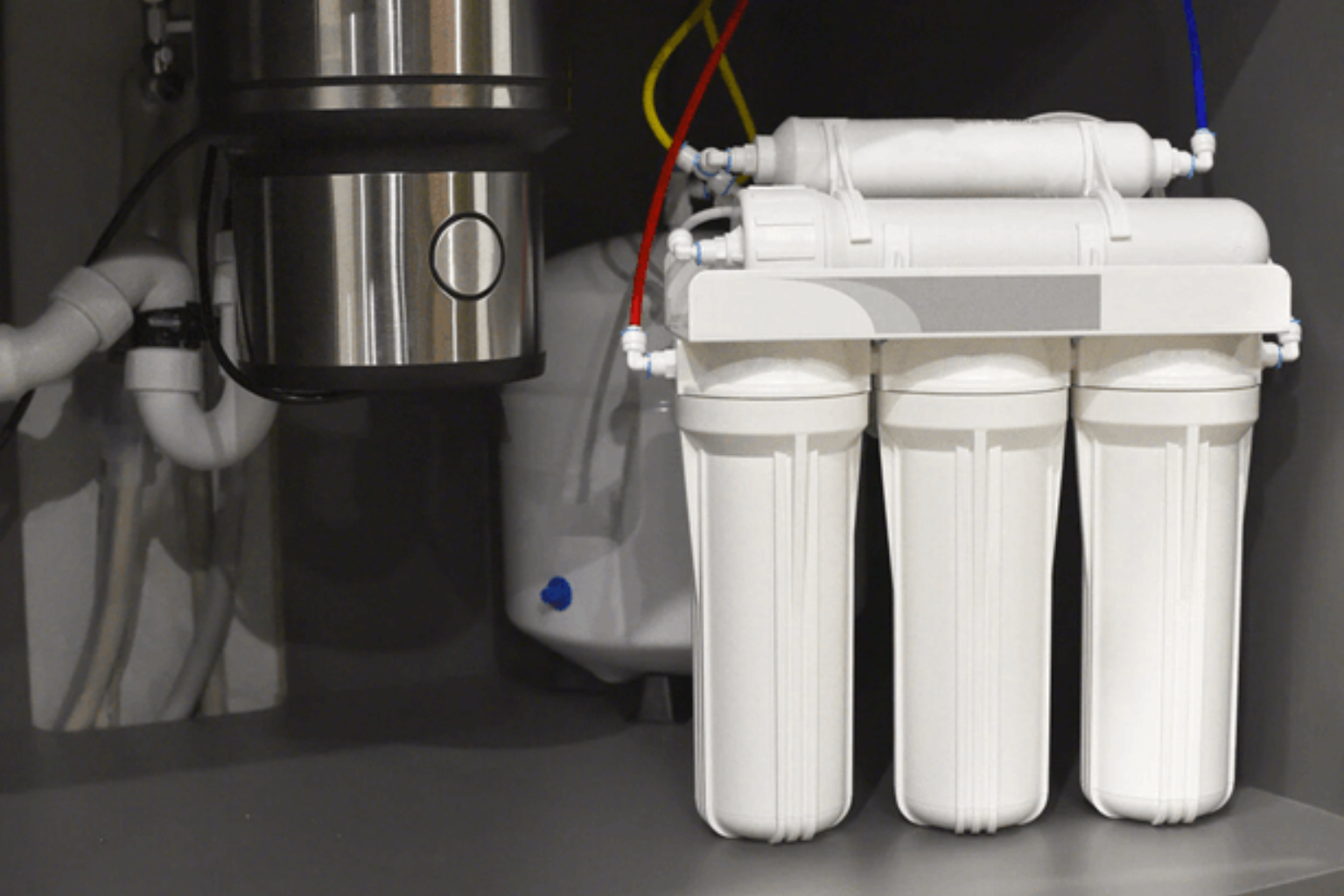
If you’ve ever looked into water filtration, you’ve probably come across reverse osmosis. It sounds technical, maybe even a bit intimidating, but the idea behind it is surprisingly simple.
Water is pushed through a fine membrane that filters out a wide range of impurities. The result is water that’s stripped of many of the elements that affect taste and quality.
When people talk about RO benefits, they’re usually referring to that level of thoroughness. It’s not just surface-level filtration—it’s a deeper clean, the kind you can actually notice over time.
And while it’s not the only option out there, it’s one that many people find reliable.
Not Every Home Needs the Same Solution
Here’s where things can get a little confusing. Once you start exploring water improvements, you’ll see a lot of options—filters, softeners, full systems, compact units.
It’s easy to think you need the “best” setup available. But the truth is, the best system is the one that fits your home and your needs.
If your main concern is taste, a simple solution might be enough. If you’re thinking about long-term quality and peace of mind, something more comprehensive could make sense.
There’s no one-size-fits-all answer, and that’s okay.
The Subtle Changes You Don’t Expect
What’s interesting about better water is how quietly it integrates into your life.
You don’t wake up one day thinking everything has changed. Instead, you notice small things. Your glassware looks clearer. Your drinks taste better. You stop hesitating before filling up a glass.
And over time, those small changes add up.
It’s not dramatic—it’s steady.
Maintenance: The Part Nobody Talks About Enough
Of course, no system is completely maintenance-free. Filters need replacing. Systems need occasional attention. It’s not complicated, but it’s part of the process.
The good news is that once you get used to it, it becomes routine. A quick check here and there, and everything keeps running smoothly.
It’s a small effort for something you use every single day.
A Shift in How You Think About Water
One of the unexpected things about improving your water is how it changes your perspective.
You start to notice it more at first—the clarity, the taste, the consistency. But then, gradually, you stop thinking about it altogether.
And that’s the point.
When something works the way it should, it fades into the background. It becomes part of your daily life without demanding attention.
Final Thoughts, Without Overcomplicating It
If you’ve been thinking about your water lately, you’re not alone. It’s one of those things people start paying attention to as they focus more on their home and well-being.
But it doesn’t have to be complicated.
Start with what you notice. Taste, clarity, how it feels. From there, explore options that make sense for your situation.
Because in the end, better water isn’t about perfection—it’s about comfort. It’s about trust. It’s about knowing that something as simple as a glass of water is exactly what it should be.
And once you reach that point, you probably won’t think about it much at all.
Which, in a quiet way, is the best outcome you could ask for.