



Most of us think about water in a very simple way. You turn the tap, it flows. You step into the shower, it’s warm. You fill a glass, and without a second thought, you drink it. Water feels predictable — almost automatic — until the day it isn’t.
Sometimes the first sign is subtle. A faint metallic smell, a puddle near an appliance, or water that suddenly looks cloudy. It’s easy to brush off these changes as temporary quirks. But more often than not, they’re quiet warnings that something in your plumbing system needs attention.
Water might seem harmless, but when systems begin to fail, it can quickly shift from comforting to concerning.
The Unexpected Trouble of Water Heating Systems
Hot water is one of those daily comforts you rarely notice until it disappears. Morning routines, laundry, dishwashing — they all rely on water heaters quietly doing their job behind the scenes.
But like any appliance, water heaters age. Internal components wear down, sediment builds up, and pressure changes gradually weaken the tank.
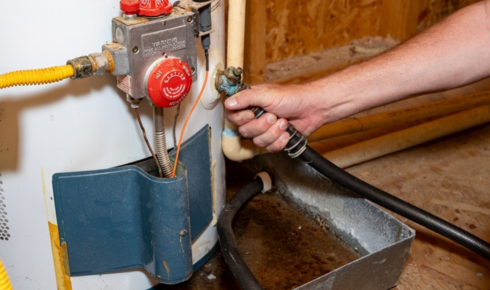
One of the most common warning signs homeowners encounter is a leaking water heater. At first, the leak might appear small — just a few drops collecting beneath the unit. But over time, it can signal deeper structural damage inside the tank.
Ignoring these leaks can lead to sudden system failure, flooding, and expensive repairs. Early inspection and maintenance help prevent these situations from escalating.
Why Water Quality Matters More Than You Think
We often assume that water coming from our taps is completely safe. After all, municipal systems treat and monitor it carefully. But plumbing infrastructure inside homes can still affect water quality.
Corroded pipes, aging fixtures, and contamination from external sources can compromise what should be clean drinking water.
When plumbing issues arise, they sometimes introduce unsafe water conditions. Discoloration, unusual odors, or sediment in water can indicate contamination risks that require immediate attention.
Ensuring water safety involves both maintaining plumbing systems and addressing potential contamination sources promptly.
The Hidden Risks of Pressure Imbalances
Not all plumbing problems are visible. Some occur entirely inside pipes, where pressure changes can create unexpected complications.
Backflow, for example, happens when water reverses direction within a plumbing system. Instead of flowing outward, contaminated water can move back into clean supply lines.
These backflow issues often occur due to pressure fluctuations or malfunctioning valves. Without proper safeguards, they can compromise water quality and pose health risks.
Backflow prevention devices and routine inspections play a critical role in maintaining safe water flow.
Recognizing Early Warning Signs
Plumbing problems rarely appear without warning. Most systems provide subtle clues before a major issue develops.
Common signs to watch for include:
- Unusual water discoloration
- Strange odors from faucets
- Sudden drops in water pressure
- Damp areas near appliances
- Increased water bills
Paying attention to these signals helps identify potential risks before they escalate into emergencies.
Early detection remains one of the most effective ways to protect both property and health.
The Financial Impact of Ignoring Plumbing Problems
Delaying plumbing repairs often leads to higher costs. A small leak can gradually damage flooring, walls, and insulation. Contaminated water issues may require extensive cleaning and system upgrades.
Preventive maintenance, by contrast, typically involves relatively modest expenses. Regular inspections help identify problems early, reducing the likelihood of costly restoration projects.
Investing in routine plumbing care provides long-term financial benefits while maintaining system reliability.
The Emotional Side of Reliable Water Systems
Reliable water systems offer more than functionality — they provide peace of mind.
Imagine discovering a water leak late at night or realizing your drinking water might be compromised. These situations create immediate stress and uncertainty.
Stable plumbing systems allow homeowners to focus on daily routines without worrying about hidden risks.
Comfort isn’t just about temperature or convenience — it’s also about confidence in essential resources.
The Role of Professional Expertise
Modern plumbing systems are more complex than they appear. Diagnosing water quality issues, pressure imbalances, and appliance failures requires specialized knowledge.
Professional technicians use advanced tools such as leak detection sensors, water quality testing kits, and pressure monitoring equipment to identify problems accurately.
Beyond technical skills, clear communication is equally important. Reliable professionals explain issues in simple terms and recommend practical solutions.
This transparency helps homeowners make informed decisions about system maintenance and repairs.
Preventive Steps for Long-Term Reliability
While some plumbing issues are unavoidable, proactive measures can significantly reduce risks.
Simple preventive actions include:
- Scheduling regular plumbing inspections
- Flushing water heaters periodically
- Installing backflow prevention devices
- Monitoring water quality changes
- Addressing minor leaks promptly
These steps help maintain system efficiency and prevent unexpected disruptions.
Prevention remains the most effective strategy for protecting water safety.
A Final Thought: Trusting the Water That Supports Daily Life
Water plays an essential role in every aspect of home life. It supports hygiene, comfort, and health — often without drawing attention.
But when plumbing systems begin to falter, their importance becomes instantly clear.
Understanding warning signs, investing in preventive maintenance, and seeking professional support when needed helps preserve both water quality and household stability.