


Most of us don’t question our water until it gives us a reason to. It’s just there — running through the kitchen tap, filling the bathtub, spinning inside the washing machine. Clear enough. Cold enough. Probably fine.
But then you notice something small. A faint smell when you turn on the shower. Tiny particles settling at the bottom of a glass. A chalky ring forming around the faucet that seems to come back no matter how hard you scrub.
These aren’t dramatic red flags. They’re whispers. And they often point to one thing: your water could use a little help.
When “Good Enough” Isn’t Actually Enough
Municipal water supplies are treated to meet safety standards. That’s reassuring. But water can still carry sediment, chlorine byproducts, and trace impurities that affect taste, smell, and even plumbing over time.
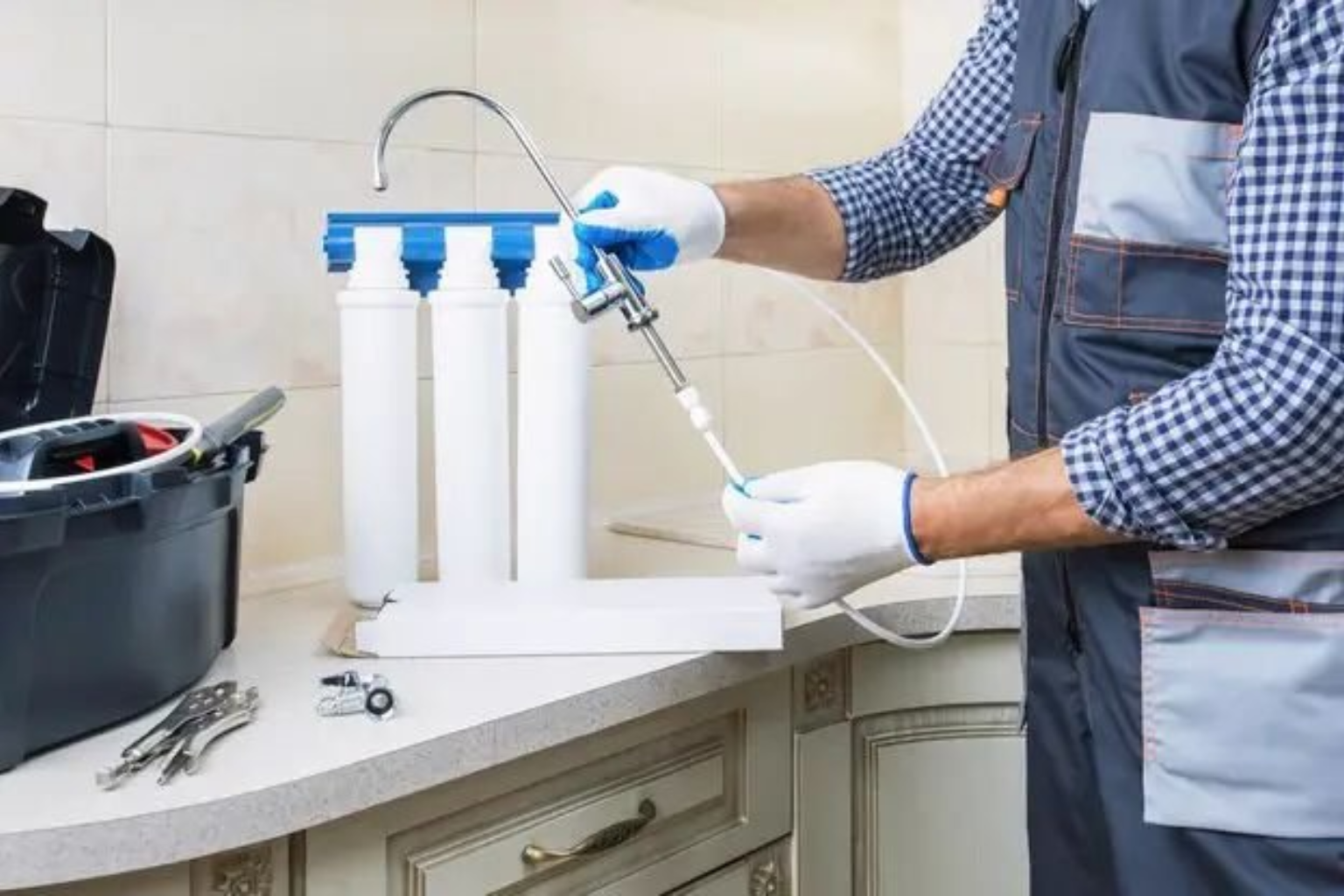
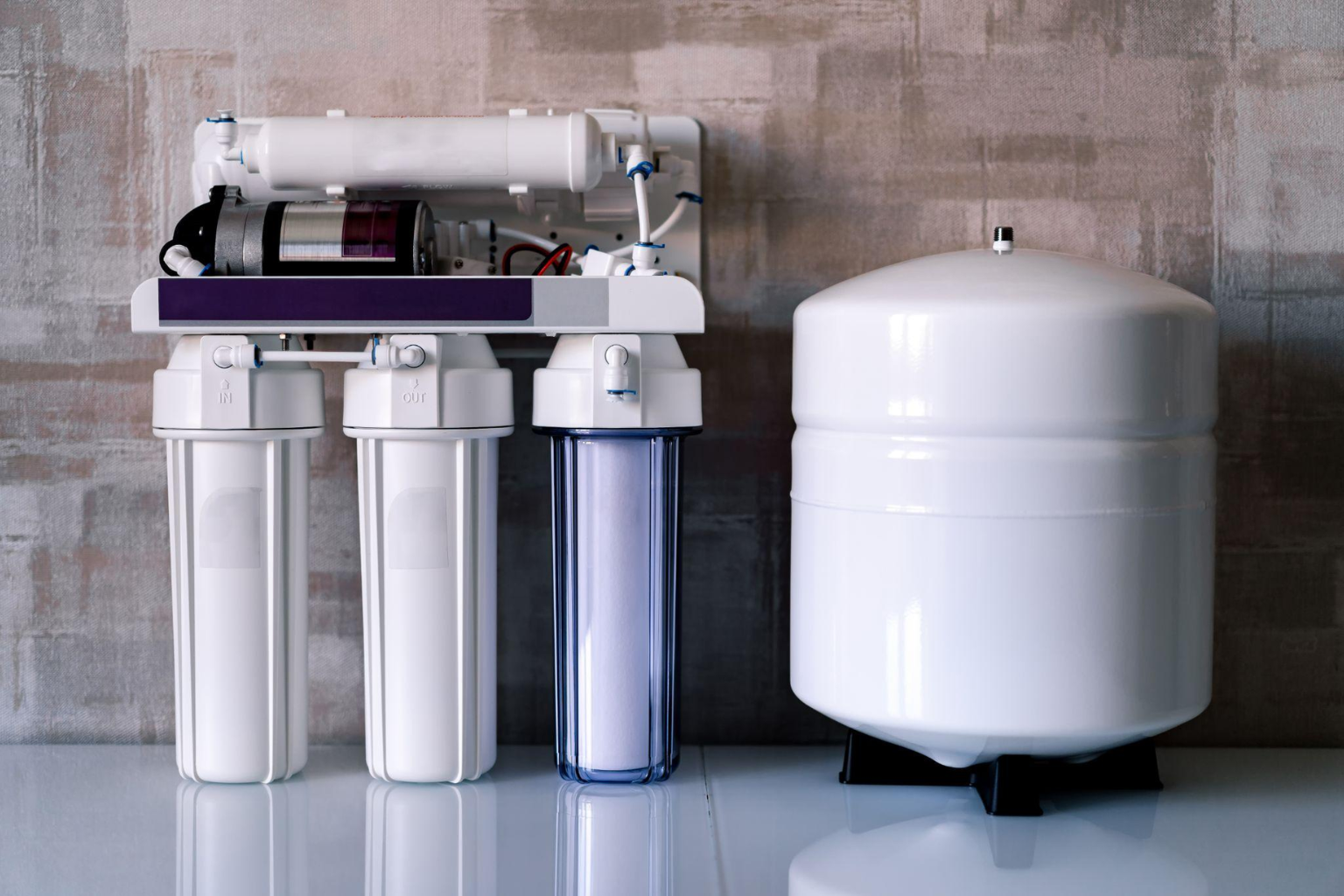
That’s why many homeowners eventually look into water filtration services. Not because they’re alarmed, but because they want more control over what flows through their home.
Professional filtration services usually start with testing. That step alone can be eye-opening. You learn about hardness levels, mineral content, chlorine concentration, and more. Suddenly, those subtle signs — cloudy ice cubes, dry skin, streaky dishes — start to make sense.
And when you understand the cause, solutions feel less overwhelming.
The Grit You Didn’t Realize Was There
One of the most common water issues is simple, physical debris. Tiny particles of sand, rust, or silt can make their way into residential water supplies, especially in older neighborhoods or homes with aging pipes.
That’s where proper sediment removal plays a crucial role. Sediment filters are often the first stage in a filtration system. They trap visible and microscopic particles before water flows further into your plumbing.
It may not sound glamorous, but it matters.
Sediment can clog aerators, reduce water pressure, and wear down appliances over time. If you’ve ever cleaned out a faucet screen and found gritty buildup, you’ve seen the impact firsthand.
Once those particles are filtered out consistently, fixtures stay cleaner longer. Water pressure stabilizes. Appliances operate more efficiently.
It’s a quiet fix — but a meaningful one.
That Faint Chemical Smell
If you’ve ever noticed your shower smelling faintly like a swimming pool, you’re not imagining things. Chlorine is widely used in water treatment because it’s effective at killing bacteria. But it doesn’t always leave quietly.
For many households, chlorine reduction becomes a priority not because chlorine is dangerous at regulated levels, but because it affects daily comfort. It influences taste. It can dry out skin and hair. It sometimes leaves a lingering odor in the air when hot water runs.
Activated carbon filters are commonly used to reduce chlorine content. Once installed, the difference can be surprisingly noticeable. Showers feel gentler. Drinking water tastes cleaner. Even the steam from hot water feels less harsh.
It’s one of those upgrades you don’t fully appreciate until it’s in place.
More Than Just Taste
It’s easy to focus on flavor and odor because they’re obvious. But filtration also supports the long-term health of your plumbing system.
Mineral deposits and debris don’t just disappear. They accumulate. Inside pipes. Around heating elements. Within appliance components.
Over time, that buildup can shorten the lifespan of water heaters, dishwashers, and washing machines. Addressing water quality early often prevents more expensive problems down the road.
And then there’s the intangible benefit: confidence.
When you turn on the tap and fill a glass, you don’t hesitate. You don’t second-guess whether to use bottled water instead. You just drink it.
Choosing the Right Approach
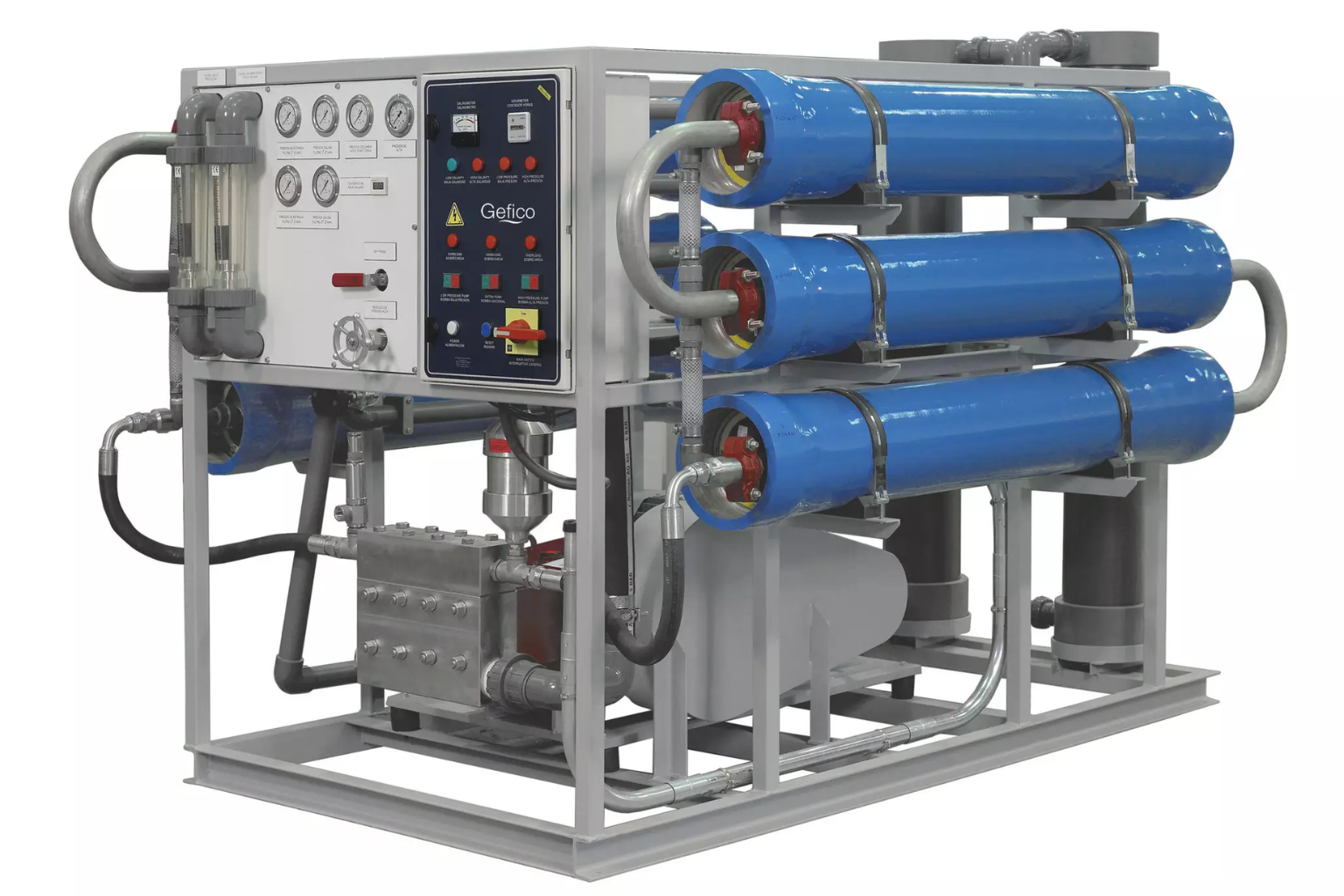
Not every home needs an elaborate, multi-stage system. The right setup depends on local water conditions and household priorities.
A proper water analysis provides clarity. It reveals whether sediment is the primary issue, or chlorine, or something else entirely. From there, a targeted solution can be installed rather than a generic one-size-fits-all system.
That’s why working with experienced professionals matters. They evaluate your specific water profile and recommend equipment accordingly.
It’s less about buying the most advanced system and more about buying the right one.
Maintenance: The Unspoken Part of the Equation
No filtration system works forever without attention. Filters need replacement. Systems require periodic checks. Ignoring maintenance defeats the purpose of installation.
The good news is that modern systems are designed with user convenience in mind. Many include easy-to-change cartridges and clear maintenance schedules.
It’s not a daily chore. It’s more like seasonal upkeep — simple, predictable, manageable.
And when you compare it to scrubbing stubborn scale off fixtures or replacing worn-out appliances, it feels like a fair trade.
A Quiet Upgrade With Lasting Impact
We often think of home improvements in visible terms — fresh paint, new countertops, updated lighting. Water filtration isn’t something guests notice right away.
But they might comment on how good your tap water tastes. Or how spotless your glassware looks. Or how comfortable the shower feels.
Better water isn’t flashy. It’s foundational.
If you’ve noticed subtle signs — sediment, chlorine odor, inconsistent taste — it might be time to look a little closer. Not out of panic. Not because something is necessarily wrong. But because your home deserves water that supports it, not quietly works against it.
And once you make that shift, you’ll likely find yourself wondering why you didn’t address it sooner.