


Most of us rarely think about water beyond the basics. We turn on the tap, fill a glass, run the dishwasher, take a shower — and that’s about it. Water feels like one of those things that just works quietly in the background, something so ordinary it barely deserves attention.
But then one day, you start noticing the little things. Glassware that never looks fully clean. A kettle that builds up white crust faster than expected. Or skin that feels oddly dry even after a normal shower. These aren’t major problems, yet they’re persistent enough to make you wonder what’s really going on.
And more often than not, the answer comes down to water quality — specifically, hard water.
The Quiet Reality of Hard Water
Hard water is incredibly common in many regions, and it’s completely natural. As water moves through underground layers of rock and soil, it absorbs minerals like calcium and magnesium. These minerals aren’t harmful to drink, which is why hard water often goes unnoticed for years.
But while it may be safe, it can have subtle yet widespread effects on daily life.
Mineral-rich water tends to leave residue after it evaporates. Over time, this creates a thin film on surfaces, reduces cleaning efficiency, and gradually builds up inside appliances and plumbing systems.
At first, these effects are easy to ignore. But over months and years, they become more noticeable — and sometimes expensive.
Why Your Dishes Never Look Fully Clean
One of the most obvious signs of hard water appears in the kitchen. Even after running a full dishwasher cycle, glasses and plates can emerge with cloudy spots or streaks.
This happens because mineral particles remain on surfaces after water dries. They form deposits that are difficult to remove without extra cleaning products.
Improved water treatment often leads to spot-free dishes, which many homeowners describe as one of the first visible differences they notice. Glassware looks clearer, surfaces feel smoother, and cleaning becomes less frustrating.
It’s a small change, but it creates a sense of satisfaction every time you unload the dishwasher.
The Hidden Impact on Household Appliances
What many people don’t realize is that hard water affects more than visible surfaces. Inside appliances, mineral deposits can accumulate over time, reducing efficiency and increasing wear.
Water heaters, for example, are particularly vulnerable. Scale buildup inside heating elements forces the system to work harder, consuming more energy and reducing its lifespan.
Dishwashers and washing machines can also suffer from internal deposits that restrict water flow and reduce cleaning effectiveness.
This is why improved water quality plays a key role in appliance protection. By reducing mineral buildup, treated water helps appliances operate more efficiently and last longer.
Over time, this can translate into lower maintenance costs and fewer unexpected repairs — a benefit that often goes unnoticed until it’s needed most.
The Subtle Effects on Skin and Hair
Hard water doesn’t just affect surfaces and appliances — it also interacts with your body.
Minerals in hard water can prevent soap from rinsing completely, leaving behind a thin residue on skin and hair. This residue can lead to dryness, irritation, and a dull feeling after bathing.
Many people describe their skin as feeling tight or rough after showers, especially in areas with high mineral content.
With improved water treatment, many homeowners notice softer skin and smoother hair. Soap rinses more thoroughly, leaving less residue behind.
This isn’t just about comfort — it can also benefit people with sensitive skin conditions, reducing irritation caused by mineral deposits.
Cleaning Becomes Easier in Unexpected Ways
Another benefit of improved water quality is how it simplifies everyday cleaning tasks. Without mineral buildup, surfaces require less scrubbing, and cleaning products work more effectively.
Soap and detergents dissolve more easily in softened water, meaning smaller amounts can achieve the same results.
Laundry also improves noticeably. Fabrics feel softer, colors appear brighter, and clothes maintain their texture longer without mineral residue trapped in fibers.
These changes may seem minor individually, but together they create a significant improvement in daily household routines.
The Financial and Environmental Advantages
Improving water quality isn’t just about comfort — it can also have financial and environmental benefits.
Reduced scale buildup allows appliances to operate more efficiently, lowering energy consumption. Cleaning products last longer, reducing chemical usage.
Additionally, having reliable high-quality water at home can decrease reliance on bottled water, reducing plastic waste.
These practical benefits make water treatment a worthwhile investment for many homeowners focused on long-term savings and sustainability.
Technology Is Making Water Management Easier
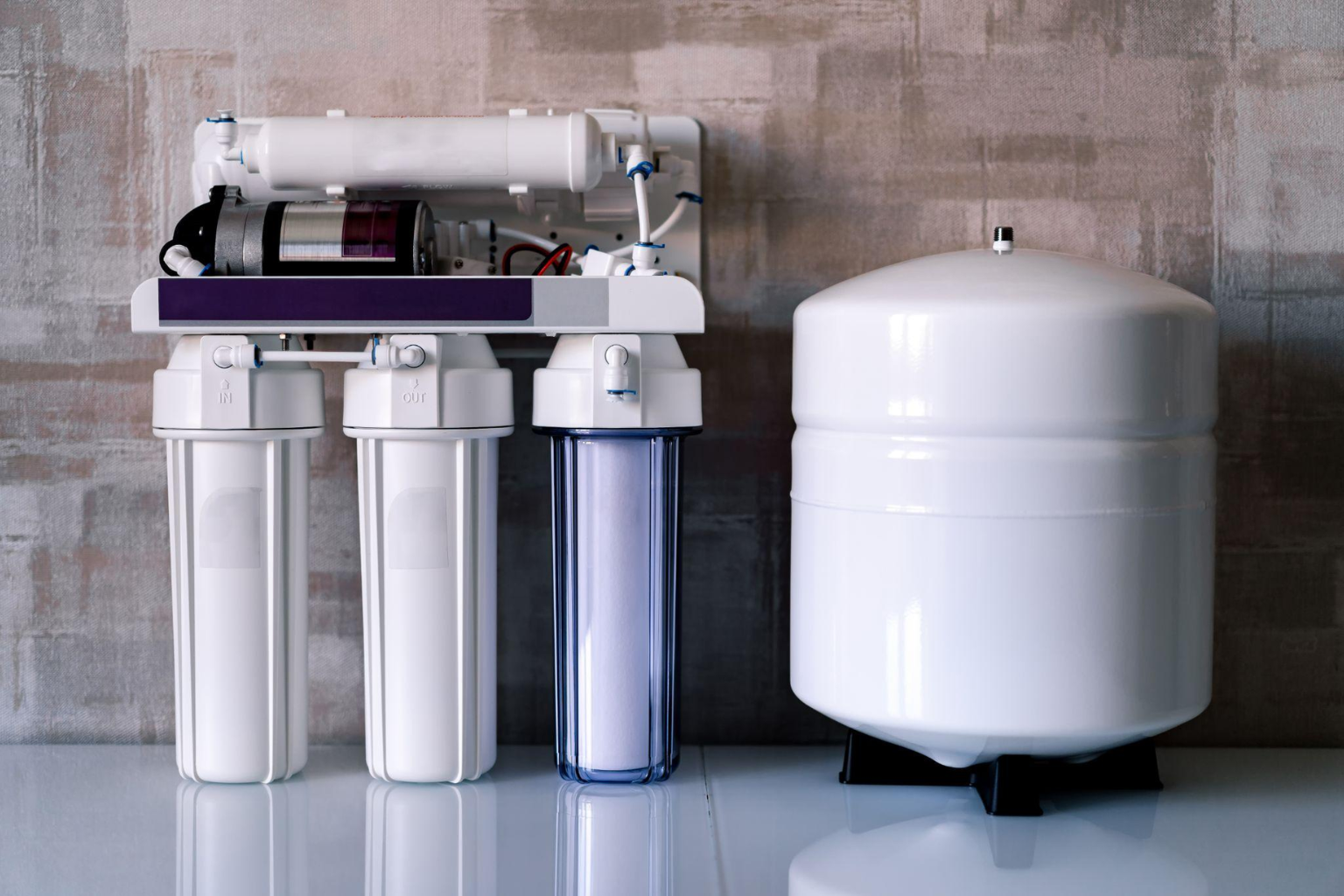
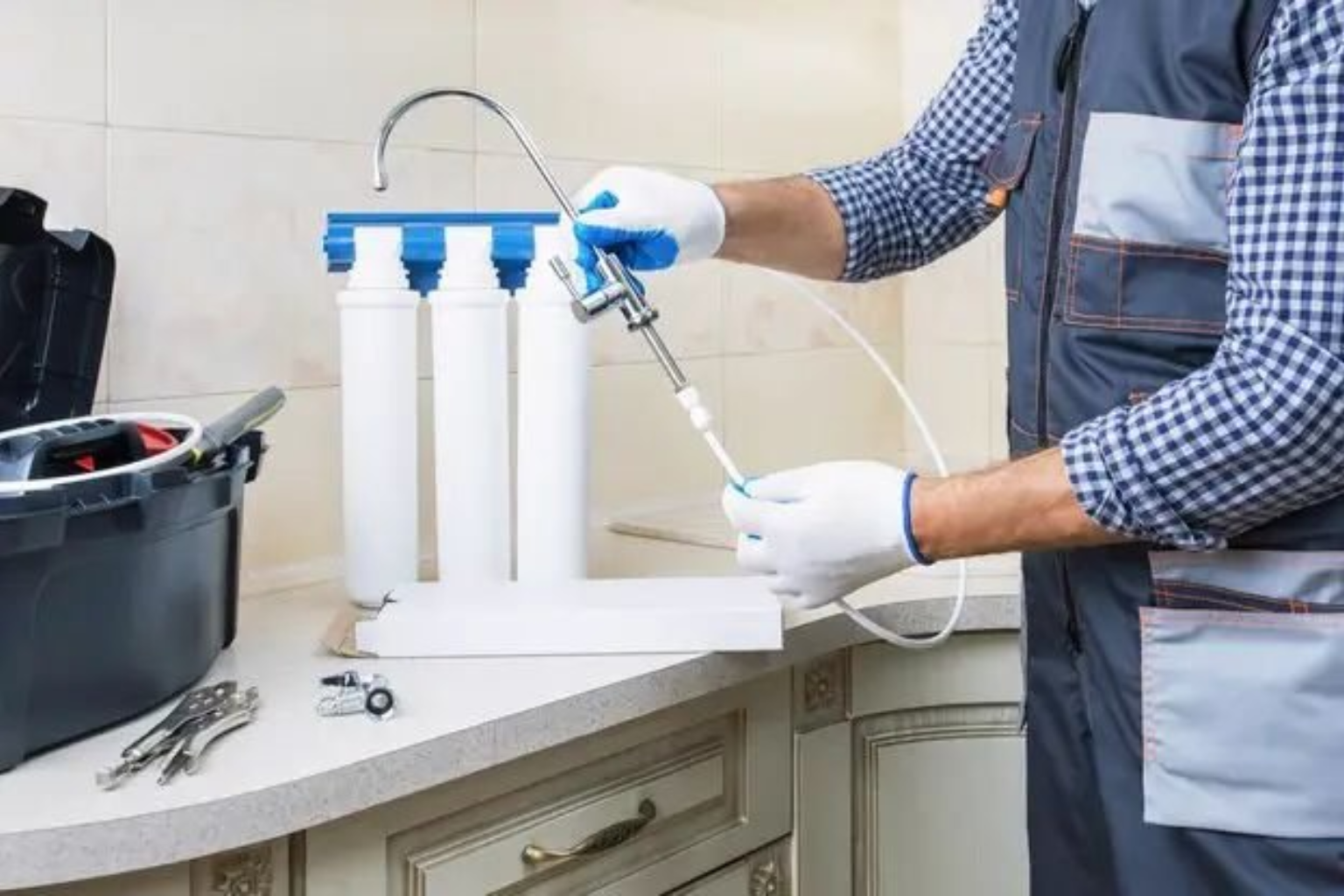
Modern water treatment systems have evolved significantly in recent years. Many now include digital monitoring features that track water usage, system performance, and maintenance needs.
Some systems can even send alerts when filters require replacement or adjustments are needed.
This technology makes water management more convenient, ensuring consistent performance without requiring constant attention.
The Emotional Comfort of Reliable Water
Perhaps the most overlooked benefit of improved water quality is the sense of reassurance it brings.
There’s comfort in knowing that something as essential as water is consistently clean, efficient, and gentle on both your home and your body.
It removes small daily frustrations and replaces them with quiet confidence.
A Simple Change That Adds Up Over Time
Water quality improvements rarely feel dramatic in a single moment. Instead, they reveal themselves gradually — through clearer dishes, smoother skin, easier cleaning, and longer-lasting appliances.
Over time, these small changes accumulate into a noticeable improvement in overall comfort and convenience.
Because in the end, better water isn’t just about technology or infrastructure. It’s about making everyday life a little easier — one glass, one shower, and one clean dish at a time.