






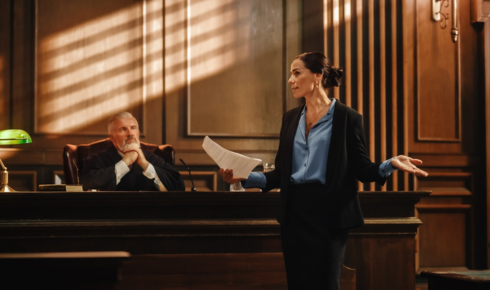
There’s something almost cinematic about the final moments of a courtroom trial. After the evidence has been laid out, after witnesses have taken the stand and attorneys have battled it out across days or even weeks, there’s a pause. A breath. And then comes the closing statement.
This isn’t just tradition—it’s strategy. It’s emotion. It’s clarity in a storm of details. And whether you’re in the defense seat or the prosecution, that last speech might just be the one that tips the scale.
But before we get into how that plays out, let’s ground ourselves: what is a closing statement in court, really?
It’s not just a recap. It’s your chance to walk the jury—or judge—through your version of the story, highlighting the key facts, addressing the other side’s arguments, and, ideally, connecting on a human level. It’s part persuasion, part reminder, and part quiet plea for understanding.
The Power of Framing, Not Repeating
If you’ve ever sat through a long trial, you know one thing: there’s a lot of noise. Details. Technicalities. Testimonies. Timelines. It’s enough to overwhelm anyone. That’s why your closing should never be a checklist of everything that happened. No one wants a highlight reel when what they need is meaning.
Instead, the best closings frame the narrative.
Rather than saying, “Remember when the witness said this?” or “We showed you Exhibit A, B, and C,” a skilled attorney weaves those pieces into a larger truth. “This case isn’t about one bad decision—it’s about a pattern of behavior.” Or, “At the heart of this, we’re talking about trust that was broken.”
If you’re delivering a closing argument, you’re not just summarizing. You’re giving the jury the lens through which to view everything they’ve heard. That lens should be simple, focused, and emotionally resonant.
When You’re Defending, Your Role Is Different
Now let’s talk about the other side of the courtroom.
The closing statement by defense isn’t just about poking holes in the prosecution’s case. It’s about reintroducing doubt. It’s about humanizing your client. It’s about reminding the jury that they’re being asked to decide something that could change someone’s life.
Defense closings often walk a tightrope. You’re not just explaining the facts—you’re asking for grace. For patience. For the benefit of the doubt. You might say, “This isn’t a story of guilt. It’s a story of assumptions.” Or, “You don’t have to like every decision my client made—but liking someone is not the same as proving guilt.”
Done well, a defense closing isn’t defensive at all. It’s calm. Rational. Sometimes even quiet. Because sometimes the most persuasive voice is the one that doesn’t try to shout.
Words That Sound Like You Mean Them
Here’s something a lot of people forget: juries are made up of human beings. Not legal experts. Not mind-readers. Just everyday folks who were handed a legal puzzle and asked to figure it out.
That means your words have to land like real conversation—not rehearsed monologue.
Speak plainly. Let your sentences breathe. Don’t use phrases that feel like they were ripped from a legal drama. If something made you pause during the trial, say that. If there’s a moment that didn’t sit right with you, explain why. Use real-world analogies if it helps: “Imagine being blamed for something based on a blurry photo and no explanation.”
These moments help the jury feel what you’re saying—not just hear it.
The Emotional Thread (Without the Melodrama)
We talk about logic in court, but people are emotional creatures. We remember feelings more than we remember facts.
So yes, evidence is king. But how you talk about that evidence—the tone, the rhythm, the honesty—that’s what makes it stick.
You don’t need to cry, yell, or pound the podium. But don’t be afraid to care out loud, either. “This family has waited two years for this moment.” “He’s not just a name on a charge sheet. He’s someone’s son. Someone who made mistakes—but not this one.”
Use pauses. Use silence. Let things land.
That’s how connection happens.
Ending Strong Without Overdoing It
Don’t end your closing with a string of thank-yous or a forced summary of every point you’ve made. End with purpose.
You might circle back to the very first thing you said in your opening. You might pose a question that only has one reasonable answer. You might state your theme one last time—but simpler, quieter.
Here’s the truth: the jury wants closure too. Your final words should give it to them. A sense of resolution. A gut feeling of what’s right.
Even just saying, “I trust you to see the truth in this,” can carry more weight than a closing packed with high drama.
Real Talk for Anyone Writing a Closing
Whether you’re a student practicing moot court or an attorney with years of experience, writing a closing argument never really gets easy. But it gets better with practice, with honest reflection, and with remembering that the courtroom isn’t about proving how smart you are. It’s about helping someone else make sense of what they’ve seen and heard.