


Most of us don’t think much about water. We turn on the tap, fill a glass, start the dishwasher, hop in the shower. It’s background noise in the rhythm of daily life.
Until something feels… off.
Maybe your shampoo doesn’t lather the way it used to. Maybe your glassware comes out of the dishwasher looking cloudy. Maybe you’re scrubbing the shower walls more often than you’d like.
At some point, you might start wondering how to tell if you have hard water. And the truth is, the signs are usually right in front of you. We just don’t always connect the dots.
The Clue on Your Faucet
Let’s start with the most obvious hint: that chalky white residue around your faucets.
It might look harmless. A little crust forming near the base. A faint ring inside the sink. But that residue is a clear signal of mineral buildup. When water evaporates, it leaves behind dissolved minerals—primarily calcium and magnesium.
Over time, those minerals accumulate not only on surfaces you can see but also inside pipes and appliances you can’t.
If you’re constantly wiping down fixtures only to see that powdery film return, your water could be harder than you realize.
Soap That Refuses to Cooperate
Another everyday clue? Soap that doesn’t behave properly.
Hard water interferes with lathering. Instead of forming rich bubbles, soap reacts with minerals and creates a sticky residue. That residue clings to skin, hair, and even fabric.
If your shampoo feels less effective, or your skin feels tight and slightly dry after showering—even when you’re using good products—that could be one of the more subtle hard water signs.
It’s not dramatic. It’s just… persistent.
And persistence is the hallmark of hard water.
The Dishwasher Tells a Story
Take a look at your dishes the next time you unload the dishwasher.
Are there faint spots on glasses? A cloudy haze that doesn’t quite disappear, even after drying?
Hard water leaves mineral deposits when heated, and dishwashers are prime environments for that process. High temperatures accelerate evaporation, leaving residue behind.
Many homeowners initially blame detergent or rinse aid. Sometimes that’s part of it. But if you’ve adjusted those and the spotting continues, your water chemistry may be the underlying issue.
Your Appliances Might Be Struggling
The impact of hard water doesn’t stop at visible surfaces.
Inside your water heater, washing machine, and dishwasher, minerals accumulate on heating elements and internal components. This buildup reduces efficiency over time. Appliances work harder to deliver the same results.
You might notice longer heating times. Slightly higher energy bills. More frequent maintenance needs.
These aren’t always obvious. But over years, the wear adds up.
Laundry That Feels Less Fresh
Hard water can also affect your laundry.
Minerals interfere with detergent performance, meaning clothes may not feel as soft or clean as expected. Colors might fade faster. Whites might look dull.
Some people compensate by using more detergent or adding fabric softener. That works temporarily, but it doesn’t address the root cause.
If you’re using more product without better results, your water might be the quiet culprit.
Hair and Skin Sensitivity
This is where things get personal.
Mineral residue left on skin can contribute to dryness or irritation. Hair may feel heavy or dull, especially if you’ve recently moved to a new area and noticed a change in texture.
Hard water doesn’t cause these issues directly—but it can amplify them.
If you’ve relocated and your skin care routine suddenly feels less effective, it’s worth considering what changed. Often, it’s the water.
Testing for Clarity
So how do you confirm your suspicions?
Home test kits are widely available and relatively inexpensive. They measure hardness levels in grains per gallon (GPG) or parts per million (PPM). Alternatively, local water treatment professionals can perform more detailed analysis.
Testing removes guesswork. Instead of relying on symptoms alone, you get measurable data.
Knowing your hardness level helps determine whether action is necessary—or if your water falls within a manageable range.
When It’s Time to Act
Not every home with hard water needs immediate intervention.
If hardness levels are moderate and you’re not experiencing noticeable issues, simple maintenance—like descaling appliances periodically—may suffice.
But if buildup is persistent, appliances are underperforming, or daily comfort feels compromised, addressing hardness could improve both convenience and efficiency.
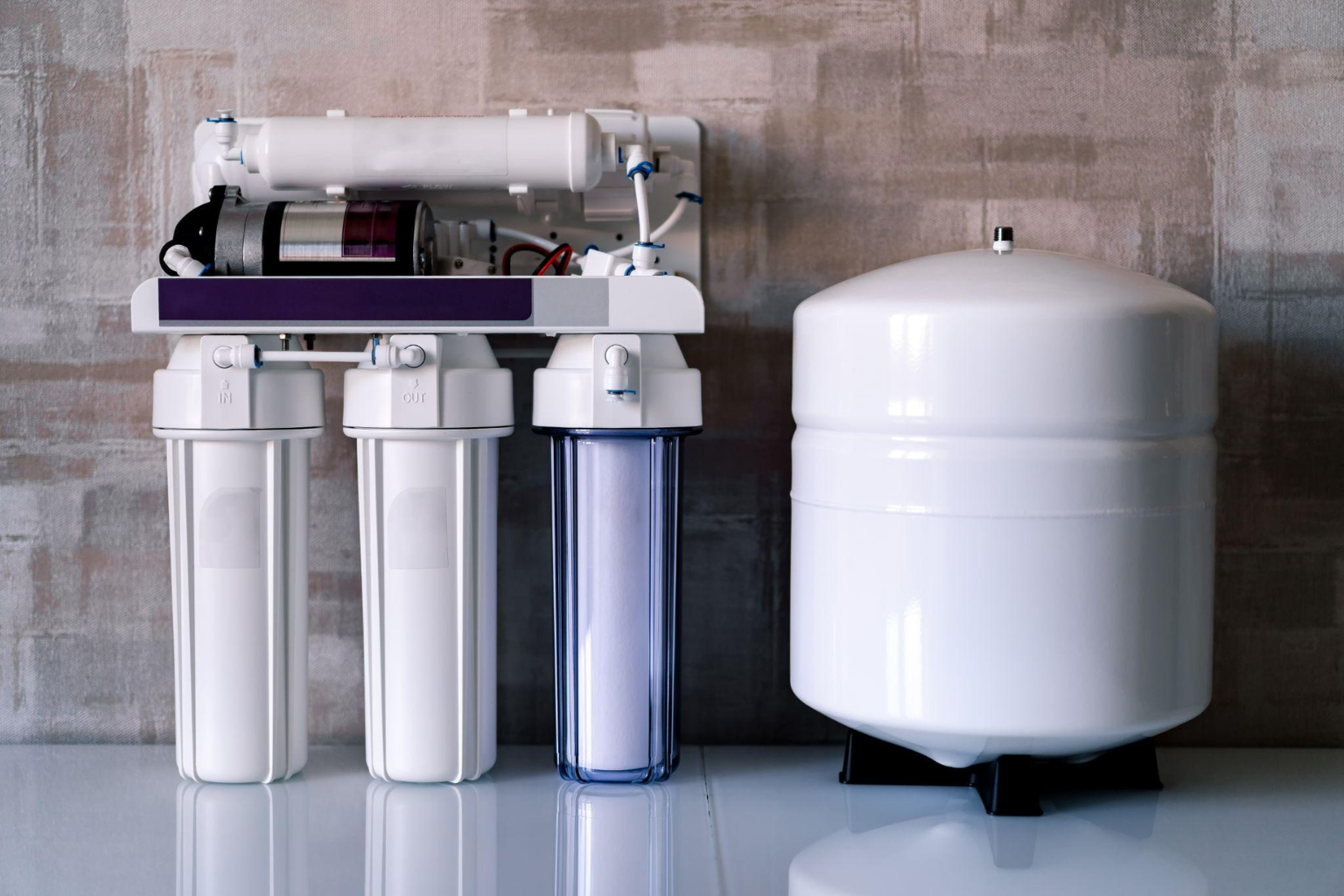
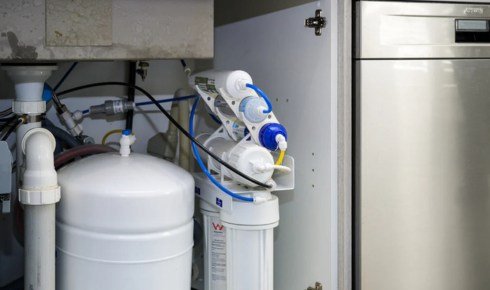
Water softening systems, for example, target the minerals responsible for scale formation. By reducing calcium and magnesium concentrations, they minimize residue and help protect plumbing infrastructure.
It’s not about perfection. It’s about balance.
The Bigger Picture
Hard water isn’t dangerous. It’s common in many regions. But that doesn’t mean it’s harmless to your home’s systems.
The key is awareness.
Once you recognize the signs—chalky residue, soap inefficiency, cloudy dishes, appliance strain—you can make informed decisions.
Ignoring hard water doesn’t usually cause immediate disaster. It causes gradual wear.
And gradual wear is easy to overlook.
A Small Adjustment, A Noticeable Difference
If you suspect your water may be harder than ideal, start with testing.
Look at your fixtures. Pay attention to how your soap behaves. Notice whether buildup returns quickly after cleaning.
Sometimes the most impactful home improvements aren’t visible upgrades—they’re adjustments that quietly improve everyday comfort.