

In the world of construction, architecture, and interior design, profiles are often the unsung heroes. Among them, the T profile stands out as a versatile component that plays both structural and aesthetic roles across industries. Whether you’re a builder, designer, or homeowner looking to renovate, understanding how T profiles work can help you make more informed decisions.
What is a T Profile?
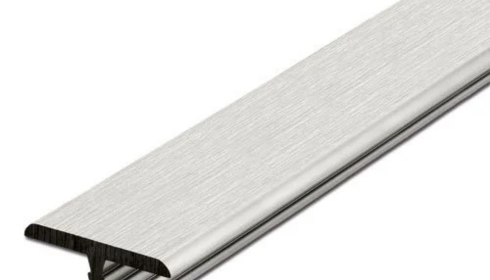
A T profile is a type of metal or plastic extrusion that takes the shape of the letter “T” when viewed from the end. It consists of a vertical stem and a horizontal top flange, forming a 90-degree angle. This unique shape allows it to serve a variety of structural and finishing purposes—primarily for joining, covering gaps, or providing clean edge transitions between materials.
T profiles are commonly available in materials such as:
- Aluminium (lightweight, corrosion-resistant)
- Stainless Steel (highly durable, aesthetically appealing)
- Brass (luxurious appearance, ideal for decor)
- PVC or Plastic (affordable and flexible for interiors)
Applications of T Profiles
T profiles are used in both residential and commercial settings. Some common use-cases include:
1. Flooring Transitions
One of the most popular uses is to bridge gaps between two flooring surfaces (e.g., tile to laminate). It provides a smooth transition while also covering expansion joints and imperfections.
2. Wall Panel Dividers
T profiles can be used to separate wall claddings, especially when installing panels of different colors or materials, creating clean and modern lines.
3. Ceiling Designs
In false ceilings, they help achieve symmetrical designs and provide framing for tiles or lighting systems.
4. Furniture and Cabinetry
T profiles offer edge protection for cabinet doors, glass shelves, and even tabletops. They not only enhance durability but also add to the overall look.
5. Glass and Partition Systems
In office environments, T profiles are often used to support glass partitions, delivering a professional and sleek finish.
Advantages of Using T Profiles
T profiles offer a long list of benefits:
- Aesthetic Appeal: Clean lines and polished finishes improve the look of interiors.
- Durability: Depending on the material, T profiles can last decades with minimal maintenance.
- Ease of Installation: Most T profiles come in pre-cut standard lengths and can be easily fitted using adhesive, screws, or clips.
- Versatility: Available in multiple finishes, sizes, and materials to suit every design.
- Protective Function: Covers sharp edges, prevents chipping, and handles expansion gaps effectively.
How to Choose the Right T Profiles
Choosing the right T profile depends on the project’s requirements. Here are a few quick tips:
- Material Type: For wet areas like bathrooms and kitchens, opt for aluminium or stainless steel for better moisture resistance.
- Thickness: Heavier materials or frequent foot traffic call for thicker profiles to withstand wear and tear.
- Finish: Matte, glossy, anodized, brushed, or coated—select a finish that matches or contrasts stylishly with your surfaces.
- Size Compatibility: Always check the width and height specifications to ensure proper alignment with flooring or panels.
Where to Buy Quality T Profiles?
You can find T profiles in local hardware stores, specialised tile shops, or online marketplaces. Many manufacturers also offer custom-cut profiles to match unique design projects.
Pro tip: Always ask for samples before placing bulk orders, especially when matching existing flooring or tiles. Also, check if the brand adheres to quality standards such as ISO certifications or corrosion resistance ratings for metal profiles.
Final Thoughts
Whether you’re renovating your home or working on a commercial project, T profiles are indispensable for clean transitions, structural support, and a professional finish. Their adaptability across applications—from flooring and wall panels to ceilings and furniture—makes them a favourite among architects and interior designers.