There’s something surprisingly comforting about the simple sound of ice dropping into a glass. It’s ordinary. Familiar. You don’t think twice about it — whether you’re at home on a hot afternoon or grabbing water in a busy office breakroom.
But behind that small moment is a system quietly doing its job. Water flowing correctly. Filters working as intended. Cooling components staying efficient. And when any part of that chain slips, you notice.
Water equipment — especially in commercial spaces — plays a bigger role than most people realize. It’s not just about convenience. It’s about reliability, hygiene, and protecting larger investments that keep daily operations moving.
The Role of Dispensers in Modern Spaces
In offices, gyms, restaurants, healthcare facilities, and even schools, ice and water dispensers have become standard. They’re expected. Employees and customers rely on them without thinking much about the mechanics behind the scenes.
But these systems aren’t as simple as they appear. They require consistent water quality, proper filtration, temperature control, and regular maintenance. If one component fails, the entire experience suffers.
Cloudy ice, odd-tasting water, inconsistent cooling — they may seem like minor issues, but in professional environments, they reflect on overall standards.
When water tastes clean and ice is crystal clear, it reinforces trust in the space.
Renting vs. Owning: A Practical Decision
Not every business wants the responsibility of purchasing and maintaining complex water systems. That’s where system rentals can be an attractive option.
Renting allows businesses to access updated equipment without the upfront capital investment. Maintenance is often included, reducing the burden on internal teams. If something breaks, service calls are typically part of the agreement.
For growing companies or temporary setups, rentals offer flexibility. You can scale equipment as needs change without committing to permanent infrastructure.
It’s not always the right choice for everyone. But for many organizations, the balance of cost, convenience, and reduced maintenance stress makes sense.
Protecting Equipment Before Problems Start
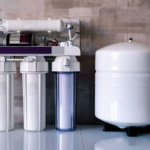
Water quality plays a crucial role in equipment longevity. Hard water, sediment, and mineral buildup can damage cooling systems, clog internal components, and reduce efficiency over time.
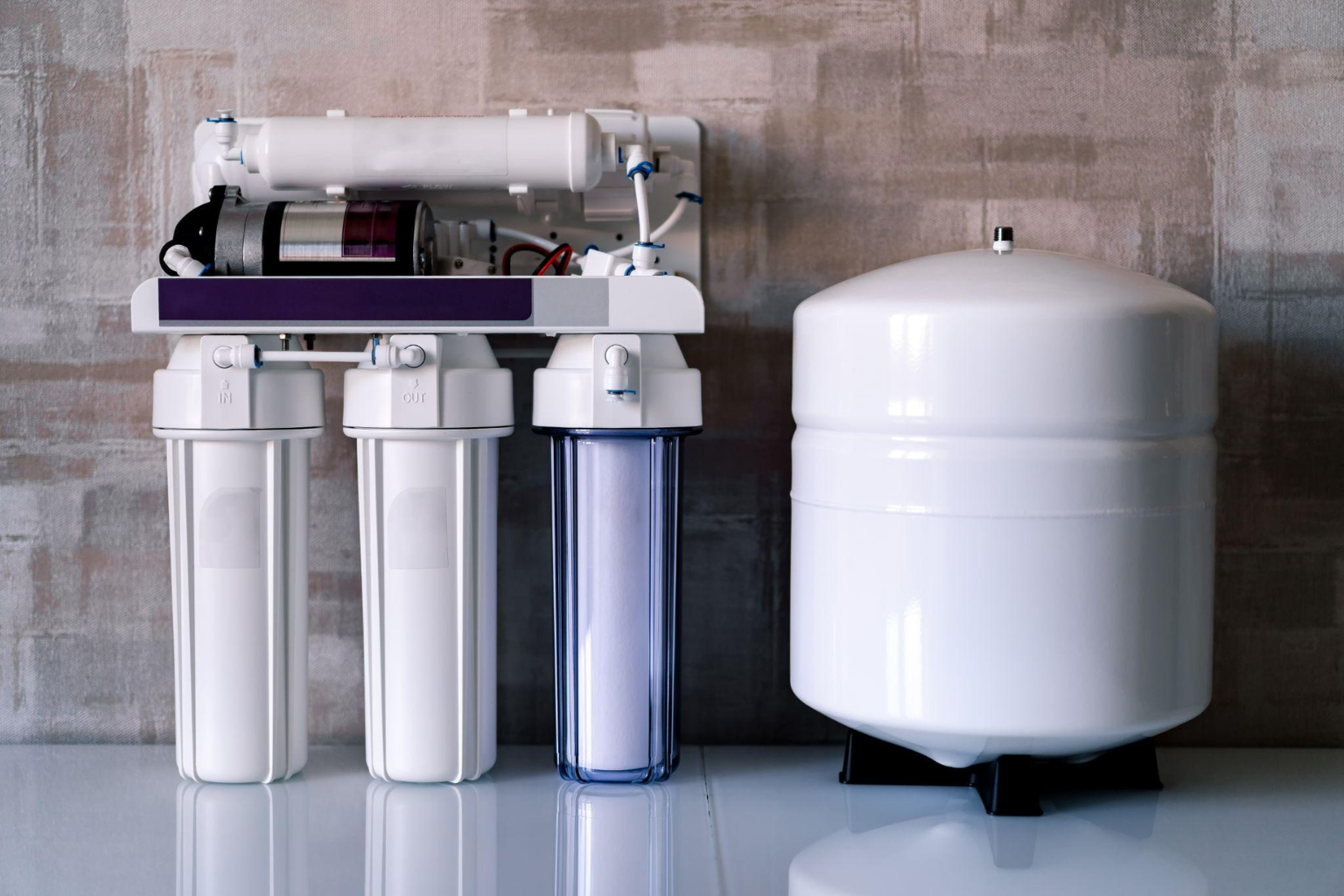
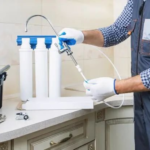
This is where equipment protection becomes essential. Installing proper filtration and softening systems upstream ensures that dispensers and related machines receive treated water.
It’s easier — and far less expensive — to prevent damage than to replace major components later.
Preventive care rarely feels urgent. But ignoring it almost always leads to higher costs down the road.
Maintenance Is the Quiet Hero
Like most mechanical systems, dispensers and cooling units need regular attention.
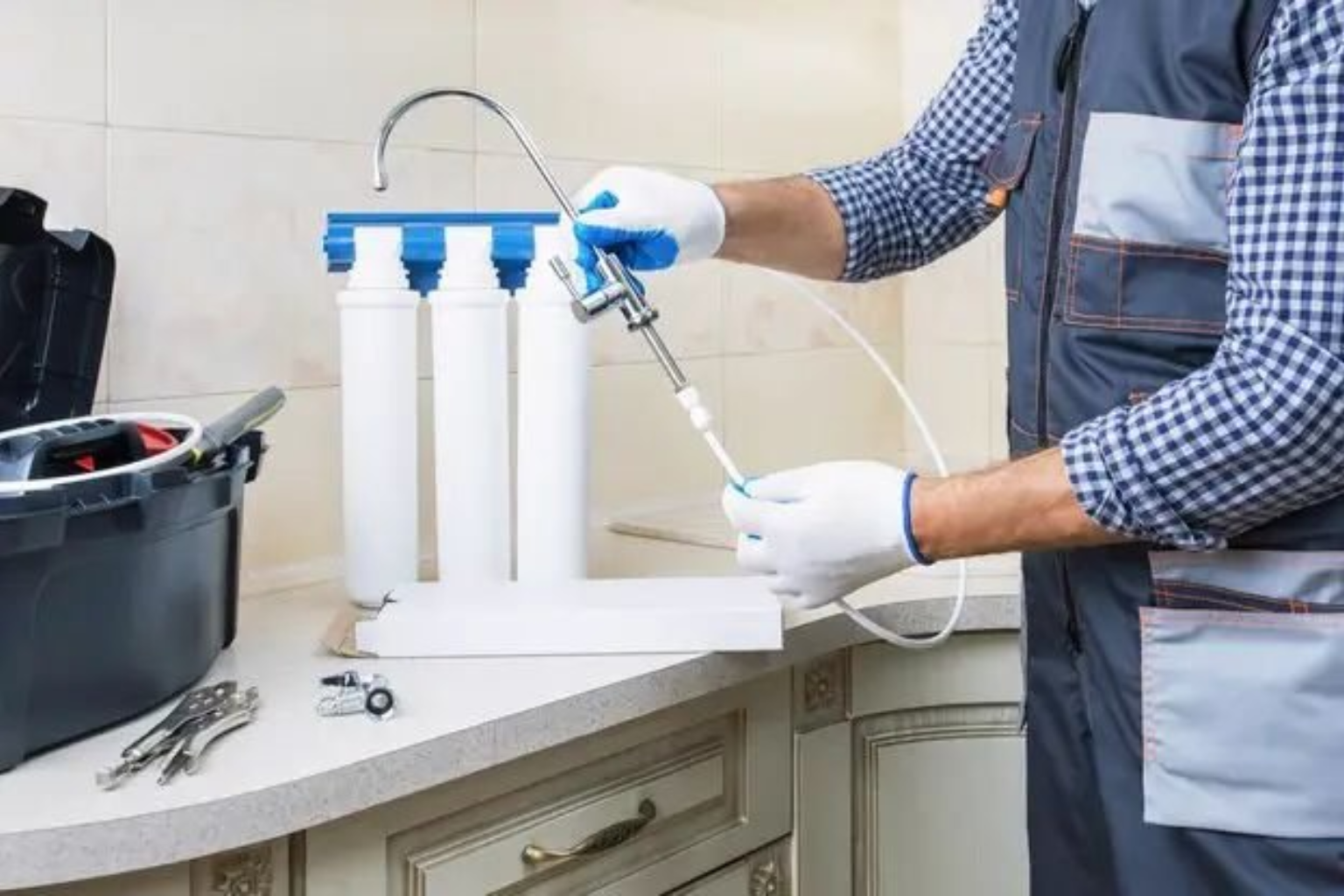
Filters require replacement. Ice bins should be cleaned. Water lines should be inspected. Small checks prevent larger disruptions.
In busy commercial settings, it’s easy to overlook these tasks. Staff have other priorities. Equipment seems fine — until it’s not.
Scheduling consistent maintenance ensures reliable performance. Some companies choose service contracts for this reason. It removes guesswork and keeps upkeep predictable.
Consistency builds reliability.
Customer Experience Starts With Details
If you manage a café, hotel, fitness center, or office, your guests may never comment directly on water quality. But they experience it.
A refreshing drink on a warm day. Clear ice in a glass. No strange aftertaste. These small interactions shape perception.
Water systems that function smoothly contribute to an environment that feels professional and well-managed.
And in competitive industries, those details matter more than we often admit.
Energy Efficiency and Sustainability
Modern dispensers and water systems are designed with efficiency in mind. Many newer models reduce energy consumption and limit water waste.
For businesses aiming to reduce their environmental footprint, upgrading older units can support sustainability goals. Efficient systems also lower operational costs over time.
Balancing performance with responsibility is increasingly important — both financially and ethically.
When Things Go Wrong
It’s worth acknowledging that equipment issues sometimes happen despite precautions.
Leaks, temperature inconsistencies, or mechanical wear can occur. The key is responding quickly and working with reputable service providers who understand the system thoroughly.
Clear communication during repairs builds trust internally and externally.
Proactive planning — including backup options or rental agreements — can minimize downtime.
Making the Right Choice for Your Space
Every business environment is different.
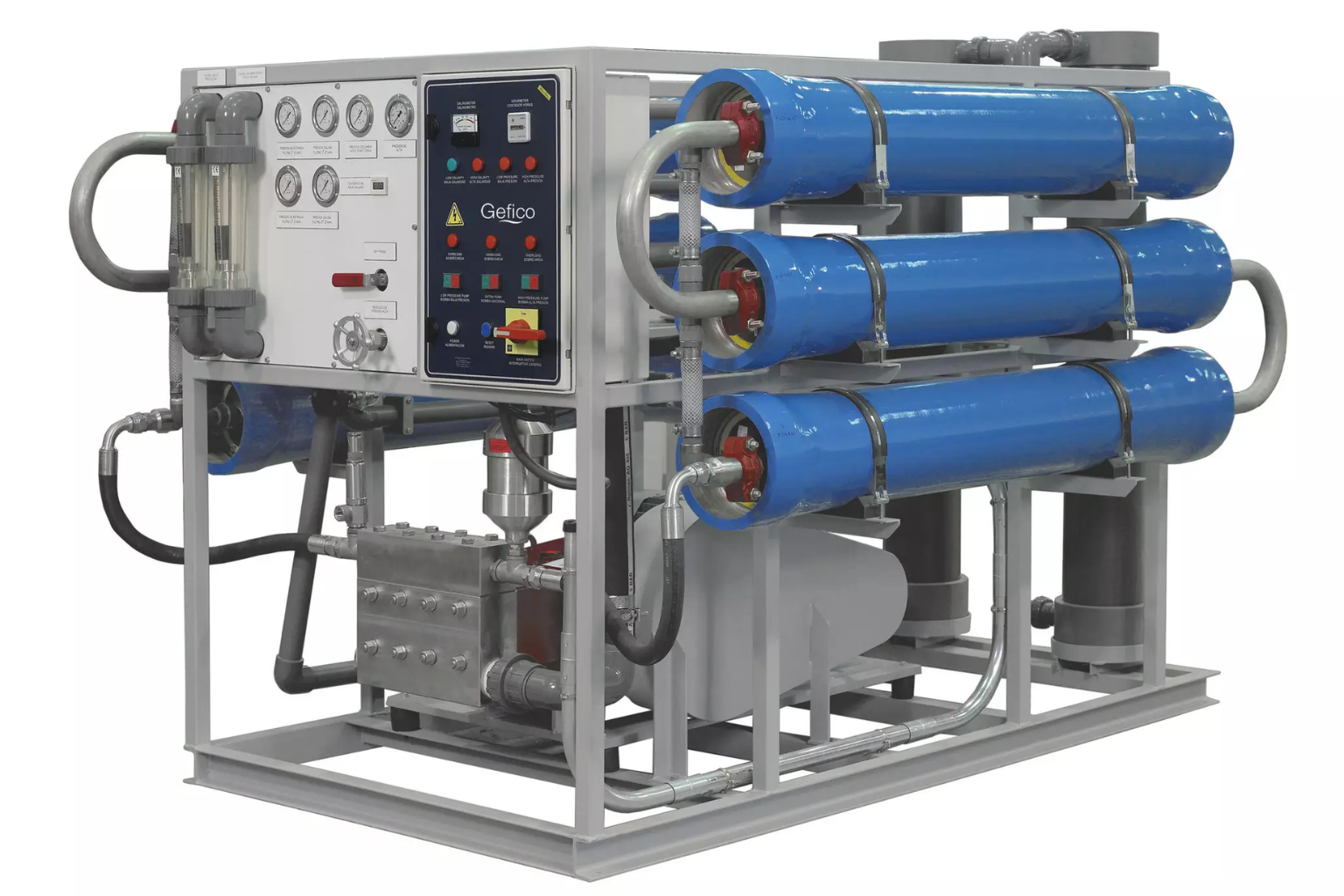
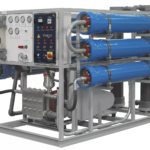
A small office may only need a basic water cooler with periodic maintenance. A busy restaurant or medical facility may require more robust infrastructure with multiple filtration stages.
Evaluating daily usage, available space, maintenance capacity, and long-term growth plans helps determine the right setup.
Rushing the decision often leads to mismatched equipment.
The Quiet Infrastructure That Keeps Things Flowing
Water systems rarely attract attention. They’re not glamorous. They don’t define a brand’s visual identity.
But they quietly support daily routines. They keep employees comfortable. They enhance customer experiences. They protect larger equipment investments.